 Ultimate guide
How to Manage Chronic Pain Naturally: A 2026 Guide
Table of Contents
- Benefits of ARPwave Neuro Therapy for Chronic Pain
- ARPwave Neuro Therapy for Chronic Pain Relief
- Who ARPwave Can Help
- Tracking Symptoms and Setting Up Your Self-Care Routine
- The Psychological Impact of Chronic Pain and Emotional Support
- When to See a Doctor: Red Flags for Chronic Pain
- Frequently Asked Questions
Last Updated: September 23, 2026
Benefits of ARPwave Neuro Therapy for Chronic Pain
Managing chronic pain often comes down to how well the nervous system communicates with the muscles around the painful area, not just resting the area itself. ARPwave Neuro Therapy is a targeted electrical stimulation treatment that works directly on that nerve-to-muscle communication. It doesn't erase a chronic condition, but it can change how efficiently the right muscles activate and how your nervous system processes pain signals.
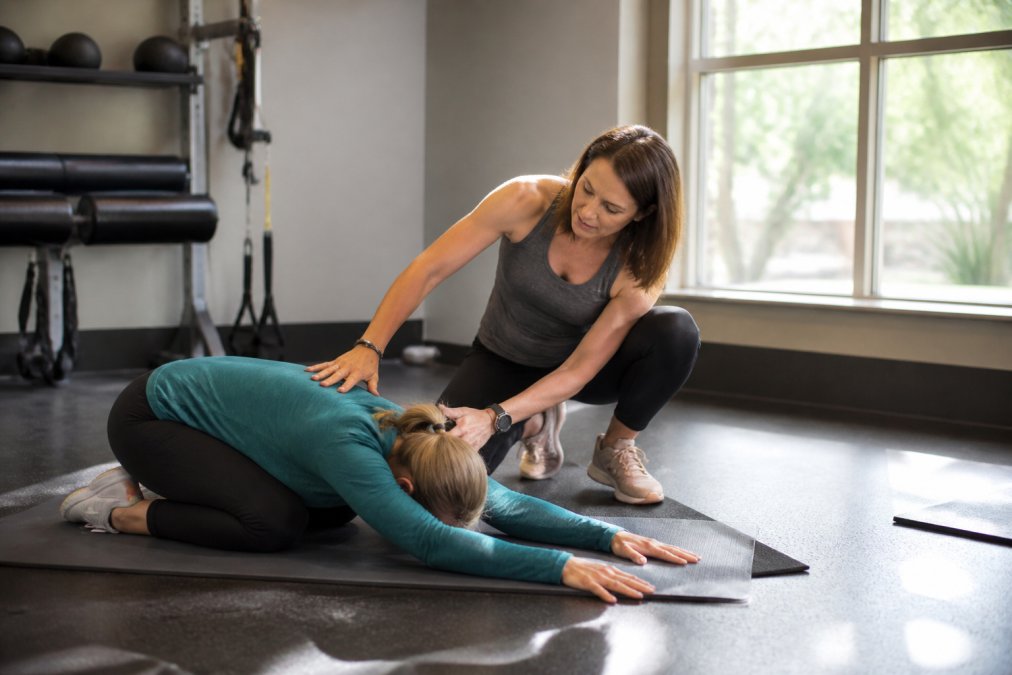
How ARPwave Neuro Therapy Changes Pain Perception
Pain isn't a direct readout of tissue damage. It's a signal your brain produces after weighing input from nerves, joints, and muscles against context like stress, fatigue, and past experience. ARPwave Neuro Therapy works on that system directly: by sending targeted electrical current through the nerves controlling an affected muscle group, it helps interrupt the guarding and compensation patterns that keep pain signals switched on, rather than only addressing the sore spot itself.
ARPwave Neuro Therapy helps by:
- Reducing muscle tension and guarding around the affected area through targeted electrical stimulation
- Improving circulation and joint mobility in the treated area
- Helping interrupt the pain-spasm cycle by working directly on nerve-to-muscle communication
- Retraining the nervous system to move normally again, which lowers its alarm response to movement
The Fear-Avoidance Cycle (and Why Resting Too Long Backfires)
When pain persists, the instinct to protect the area takes over. You stop bending, lifting, reaching, and walking as far. Muscles decondition, joints stiffen, and the nervous system grows more sensitive to the same input. The next attempt at movement hurts more, reinforcing the belief that movement is dangerous.
Building an ARPwave Treatment Plan That Respects Pain Flare-Ups
The plan that works is the one you can stick with on a bad week. ARPwave sessions are scheduled with your provider, who adjusts intensity and frequency to match how you're feeling rather than pushing through a flare-up.
A practical way to approach your plan looks like this:
- Talk to your provider about which areas and movement patterns are affected
- Set a treatment schedule you can keep even on a rough week
- Let your provider increase intensity gradually as your tolerance builds
- Speak up early if a flare-up changes what you can handle that day
How ARPwave Applies Across Different Conditions
Different chronic conditions call for different ARPwave approaches. The categories below are general starting points, not prescriptions, your care team should tailor them.
| Condition Type | How ARPwave Is Typically Applied | Cautions |
|---|---|---|
| Persistent low back pain | Targeted stimulation of the lower back and core stabilizer muscles, paired with gentle movement | Your provider will hold off on stimulating through an acute flare-up until it settles |
| Knee or hip osteoarthritis | Targeted stimulation of the muscles supporting the knee or hip, paired with light range-of-motion work | Impact loading outside of sessions may still aggravate flare-ups |
| Fibromyalgia | Low-intensity stimulation, with an emphasis on pacing across sessions | Pacing matters more than intensity |
| Neuropathic pain | Targeted stimulation of the affected nerve pathway, adjusted carefully to sensation | Watch for numbness that hides strain |
| Post-surgical persistent pain | Targeted stimulation to support graded range-of-motion and gradual loading | Follow surgical precautions first |
A Sample ARPwave Treatment Week You Can Adapt
A common pattern many clients follow:
- Monday: ARPwave session targeting the affected area
- Tuesday: Rest, with light stretching if you feel up to it
- Wednesday: ARPwave session, adjusted to how the area is responding
- Thursday: Rest or a short, gentle walk
- Friday: ARPwave session focused on mobility and circulation
- Saturday: Light activity you enjoy, kept well within your comfort range
- Sunday: Rest and review how the week felt with your provider
On flare-up days, talk to your provider about scaling the session rather than skipping it entirely. A shorter, lighter session still keeps your nervous system familiar with treatment instead of letting the gap grow.
ARPwave Neuro Therapy for Chronic Pain Relief
Pain that lingers after an injury has technically healed usually isn't a tissue problem anymore, it's a nervous system problem. ARPwave Neuro Therapy is built to work directly with the nervous system, targeting the communication breakdown between your brain and the muscles or nerves involved in your pain, rather than just relaxing or numbing the area.
How ARPwave Works
ARPwave pairs targeted electrical current with active movement. As you move through specific patterns, the current is applied to the muscles and nerves connected to your pain, aiming to retrain how the brain and body communicate in that area rather than simply relaxing the tissue for a few hours.
Breaking the Pain-Spasm Cycle
After an injury, muscles around the area often guard and spasm to protect it, and that guarding can outlast the original injury by months or years, keeping the pain signal active. ARPwave is designed to interrupt that cycle at the nervous system level, rather than only stretching, icing, or resting the area, which tend to bring relief that fades once you stop.
Who ARPwave Can Help
ARPwave is generally used for pain tied to old injuries, past surgery, or repetitive overuse, especially when rest, stretching, or general exercise on their own haven't moved the needle. It's not a quick fix, and it works best as part of a plan you build with a trained provider based on your specific history and pain pattern.
Addressing the Root Cause, Not Just Symptoms
Many common approaches to pain, heat, ice, over-the-counter medication, manage the symptom in the moment without addressing why the nervous system keeps sending the pain signal. ARPwave's focus on retraining the brain-to-muscle connection is aimed at the underlying pattern, which is why it's often used for pain that other approaches haven't resolved.
Compensation Patterns
An old injury on one side of the body often changes how you move, walk, or lift without you noticing, and those compensations can create new pain elsewhere years later. Identifying and addressing those patterns is a core part of what a trained ARPwave provider evaluates before building your plan.
Tracking Symptoms and Setting Up Your Self-Care Routine
Symptom logging turns guesswork into a pattern you can act on. Note pain level, location, activity, sleep quality, and stress. After a few weeks, most people spot connections they'd otherwise miss.
- Log pain level daily (0-10)
- Note sleep and stress
- Record activity and food
- Review weekly for patterns
- Adjust one variable at a time
The Psychological Impact of Chronic Pain and Emotional Support
Chronic pain carries a psychological weight that's easy to underestimate. Anxiety, low mood, and isolation are common and can amplify pain perception. Emotional support isn't a soft add-on; it's part of symptom management.
What helps:
- Talking to a counselor trained in pain psychology
- Peer support groups, in person or online
- Telling your family and employer what you need
- Workplace accommodations like a standing desk, flexible hours, or ergonomic seating
When to See a Doctor: Red Flags for Chronic Pain
Some symptoms mean you should stop self-managing and get evaluated promptly. Contact a healthcare provider if you notice:
- New or worsening weakness or numbness
- Loss of bladder or bowel control
- Pain after a fall or injury that won't settle
- Unexplained weight loss alongside pain
- Fever, night sweats, or pain that wakes you repeatedly
- Pain that changes character suddenly
Frequently Asked Questions
How do I live with chronic pain day to day?
Living with chronic pain means building a routine around treating the underlying nerve dysfunction, not just masking symptoms. ARPwave Neuro Therapy uses targeted electrical stimulation paired with movement to retrain the nervous system's communication with muscles, which can reduce pain signals at the source. Pair ARPwave sessions with daily movement, stress reduction, and symptom tracking so you and your provider can see what's working. Work with a qualified ARPwave-trained professional to tailor a plan to your specific chronic condition.
How does ARPwave Neuro Therapy help manage chronic pain naturally?
ARPwave Neuro Therapy uses electrical stimulation combined with active movement to find where the nervous system has lost normal communication with a muscle, then retrains that connection. Restoring proper muscle firing patterns takes pressure off compensating joints and soft tissue, which is often where chronic pain originates. Unlike passive treatments, ARPwave sessions actively rebuild function, so many people see pain relief improve alongside strength and mobility. Ask your provider whether ARPwave is a fit for your specific chronic condition.
What are the psychological impacts of chronic pain?
Ongoing pain affects mood, sleep, and focus. Many people experience anxiety, irritability, or low mood because pain signals keep the nervous system on alert. Mindfulness-based stress reduction, counseling, and support groups help address this emotional side. A holistic approach that treats both the body and the mind tends to work better than focusing on physical symptoms alone.
What are some effective strategies for managing chronic pain?
Effective chronic pain management starts with addressing the nerve dysfunction driving the pain, which is what ARPwave Neuro Therapy is built to do. Combine ARPwave sessions with daily movement, good sleep, and symptom tracking to reinforce the gains between visits. Non-drug interventions like ARPwave should be your first line where possible, with medical guidance for anything that worsens or changes.
How to cope with constant pain without relying on medication?
Coping with constant pain without medication starts with treating the nerve dysfunction behind it. ARPwave Neuro Therapy uses electrical stimulation and movement to restore normal nerve-to-muscle communication, which can calm the pain-spasm cycle at its source. Pair ARPwave sessions with gentle movement, ergonomic adjustments, and consistent sleep. If pain interferes with daily function, see a doctor to rule out treatable causes before building a self-care plan.