 Ultimate guide
HBOT Therapy Benefits for Athletes: Recovery Guide
Table of Contents
- How HBOT Therapy Speeds Up Hyperbaric Oxygen Therapy Recovery Time
- HBOT for Sports Injury Rehabilitation: What the Evidence Shows
- Benefits of Oxygen Therapy for Muscle Soreness and DOMS
- HBOT Therapy for Endurance, Performance, and the Mental Edge
- Integrating HBOT with Other Recovery Modalities
- What to Expect: Safety, Sessions, and Who Should Avoid HBOT
- Frequently Asked Questions
Last Updated: September 27, 2026
How HBOT Therapy Speeds Up Hyperbaric Oxygen Therapy Recovery Time
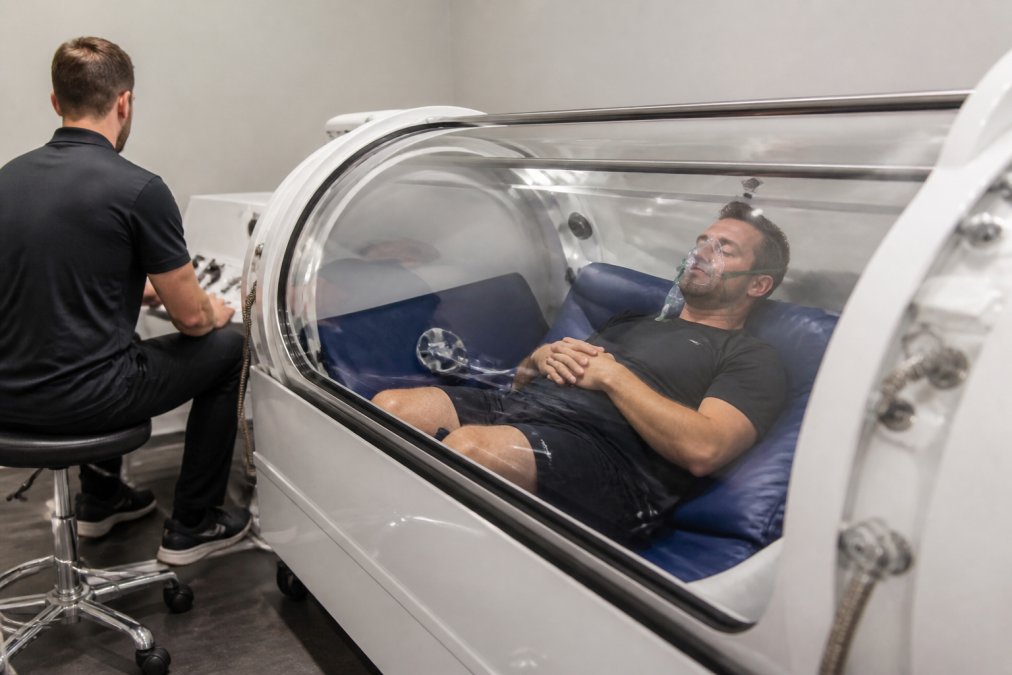
HBOT therapy benefits for athletes start with one measurable effect: more oxygen reaches damaged tissue, faster. Hyperbaric oxygen therapy is a treatment in which a person breathes pure oxygen inside a pressurized chamber, raising the amount of oxygen dissolved in the bloodstream well above normal levels. At Total Body Works Personal Training, we pair this with sport-specific training programs for athletes recovering from injury.
Session Length and Frequency for Athletes
A typical session runs 60 to 90 minutes, and athletes often complete a series of sessions rather than one. Frequency is set by the supervising clinician based on the injury and treatment goals. There is no universal schedule, and anyone quoting a fixed protocol without an assessment is guessing.
Factors That Affect How Fast You Recover
- Injury type and location: muscle, tendon, and bone injuries heal on different timelines
- Time to first session: earlier treatment generally supports better outcomes
- Baseline fitness: well-conditioned athletes often tolerate protocols better
- Overall health: circulation, nutrition, and sleep all influence tissue repair
- Consistency: skipping sessions interrupts the cumulative effect
HBOT for Sports Injury Rehabilitation: What the Evidence Shows
HBOT for sports injury rehabilitation is best understood as an adjunct to standard care, not a standalone cure. The Undersea and Hyperbaric Medical Society maintains the recognized indications for hyperbaric treatment, and several of those indications involve wound healing and tissue repair. Undersea and Hyperbaric Medical Society indications for hyperbaric oxygen therapy
Soft Tissue Injuries and Collagen Synthesis
Soft tissue injuries, including muscle strains and ligament sprains, depend on collagen synthesis to rebuild damaged fibers. Higher tissue oxygenation supports the cellular work behind collagen deposition and new blood vessel formation, a process called angiogenesis. In practice, this means the tissue has better conditions to rebuild, though the body still sets the pace.
Post-Surgery vs. Acute Injury Protocols
These two situations call for different approaches, and conflating them is a common mistake.
| Situation | Timing | Typical Focus |
|---|---|---|
| Acute injury | Within days of onset | Swelling control, pain management, tissue oxygenation |
| Post-surgical | After surgeon clearance | Incision healing, edema reduction, gradual return to load |
| Chronic overuse | Ongoing | Tissue perfusion, inflammation management |
Benefits of Oxygen Therapy for Muscle Soreness and DOMS
The benefits of oxygen therapy for muscle soreness center on inflammation and metabolic waste. Delayed onset muscle soreness, commonly called DOMS, is the ache that peaks a day or two after hard training. It comes from microscopic muscle damage and the inflammatory response that follows.
Reducing Inflammation and Swelling After Training
HBOT therapy has been studied for its effect on inflammation markers and edema reduction. Increased oxygen availability supports phagocytosis, the process by which immune cells clear damaged tissue, and can support reduced swelling in the treated area. This is why athletes often report feeling less "heavy" in the days after a session.
Lactate Clearance and Metabolic Recovery
Lactate clearance is one of the more practical benefits athletes notice. Better tissue perfusion supports the transport and processing of metabolic byproducts after intense efforts, which can help athletes return to training quality sooner. Combined with adequate sleep and nutrition, this supports metabolic recovery between sessions.
HBOT Therapy for Endurance, Performance, and the Mental Edge
Endurance gains from HBOT therapy are indirect rather than automatic. The chamber does not build fitness by itself. What it can do is support recovery kinetics so athletes tolerate more quality training, which is where endurance is actually built. Improved oxygen saturation and support for mitochondrial function may contribute to a higher anaerobic threshold over time when combined with consistent conditioning.
What the Performance Research Actually Shows
Most of the performance literature uses one of two protocols: a single session at 2.0 to 2.5 ATA for 60 minutes, or a series of 5 to 10 sessions at 1.5 to 2.0 ATA spread across one to two weeks. A common pattern in the sports-science literature is that single sessions do not reliably move VO2 max or time-trial performance in trained athletes, while repeated sessions during a heavy training block tend to show up as improved recovery markers, lower creatine kinase, reduced muscle soreness scores, and better maintained power output on subsequent days.
Cognitive Focus, Sleep, and Mental Recovery
This is the angle most guides skip entirely, and it is where elite athletes often notice the biggest subjective change. Three areas are worth understanding:
- Sleep quality. Many athletes report falling asleep faster and waking less during the night in the days after a session series. Better sleep is itself one of the strongest recovery levers available, so any improvement compounds.
- Cognitive focus. Mild hypoxia and inflammation both impair reaction time and decision-making. By supporting tissue oxygenation and reducing inflammatory load, HBOT may help athletes return to sharp processing speed during rehab, when mental sharpness often lags physical readiness.
- Psychological momentum. Athletes recovering from injury deal with frustration, lost confidence, and uncertain timelines. A structured protocol gives them a scheduled action and a sense of progress, which supports adherence to rehabilitation. Adherence is the variable that most determines whether an athlete returns at full capacity.
How to Stack HBOT Around Training
A practical pattern most practitioners use:
| Training Phase | Typical HBOT Timing | Goal |
|---|---|---|
| Off-season base | 2-3 sessions/week | Support high-volume loading |
| In-season | 1-2 sessions/week | Maintain recovery between competitions |
| Rehab block | 3-5 sessions/week | Accelerate tissue repair alongside PT |
| Pre-competition taper | Pause or reduce | Avoid blunting adaptive response |
If you are dealing with a training plateau or a slow-healing injury, a consultation is the right first step. Call 719-414-0482 to discuss whether HBOT therapy fits your recovery plan.
Integrating HBOT with Other Recovery Modalities
HBOT therapy works best as one part of a coordinated plan. At Total Body Works Personal Training, we combine chamber sessions with ARPwave therapy, massage, and private personal training so recovery and conditioning move together instead of competing.
- ARPwave therapy: supports neuromuscular re-education alongside tissue recovery
- Massage: addresses soft tissue restrictions and circulation
- Private training: rebuilds strength and movement patterns safely
- Sleep and nutrition: the foundation everything else depends on
What to Expect: Safety, Sessions, and Who Should Avoid HBOT
Most athletes tolerate hyperbaric sessions well, but HBOT is a medical treatment with real considerations. Understanding the protocol, the side effects, and the contraindications before your first session is what separates a safe experience from a risky one.
What a Session Actually Looks Like
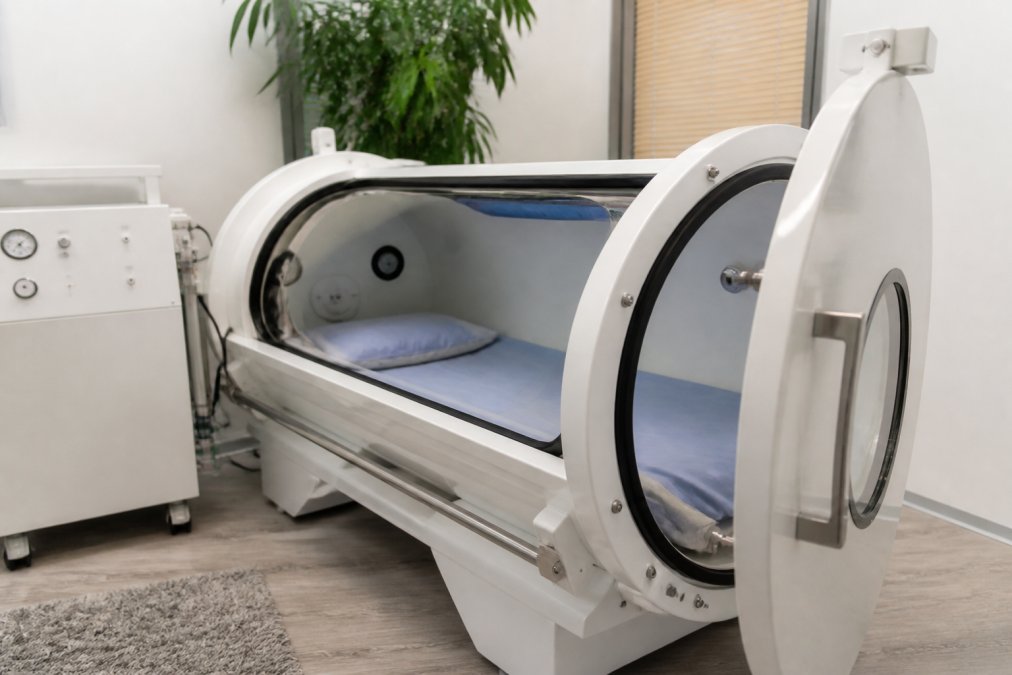
A typical athlete session runs 60 to 90 minutes at 1.5 to 2.5 ATA (atmospheres absolute), depending on the indication. The chamber is pressurized over 10 to 15 minutes, held at depth for the treatment period, then decompressed slowly over another 10 to 15 minutes. You breathe 100% oxygen through a hood or mask for most of the treatment, with brief air breaks to reduce oxygen toxicity risk.
Common Side Effects
- Ear pressure or discomfort during pressurization, similar to what you feel on a flight. Technicians guide you through equalization techniques (swallowing, yawning, Valsalva) to manage it.
- Sinus pressure if you have a cold or congestion, this is a reason to reschedule, not push through.
- Temporary vision changes (myopia) with long series of treatments, usually resolving within weeks after stopping.
- Fatigue after sessions, which most athletes find manageable.
Serious complications are uncommon but possible, which is why treatment belongs in a supervised clinical setting. FDA information on hyperbaric oxygen therapy
Absolute vs. Relative Contraindications
This distinction matters and most consumer articles blur it.
| Category | Examples | Guidance |
|---|---|---|
| Absolute | Untreated pneumothorax | Do not treat |
| Absolute | Certain chemotherapy agents (e.g., doxorubicin, bleomycin) | Do not treat without oncology clearance |
| Relative | Eustachian tube dysfunction, sinus infection | May require ENT evaluation first |
| Relative | History of spontaneous pneumothorax, seizure disorder | Risk-benefit review with clinician |
| Relative | Pregnancy | Requires physician sign-off |
| Relative | Implanted devices (pacemakers, cochlear implants) | Chamber compatibility check required |
A qualified clinician should review your full history, medications, implants, prior surgeries, and current symptoms, before your first session. Do not rely on a general clearance form alone.
Frequently Asked Questions
How many HBOT sessions do athletes typically need for recovery?
The number of sessions depends on your injury, training load, and recovery goals. Many athletes start with a series of sessions over one to two weeks, then move to maintenance sessions. Your provider will assess your situation and recommend a schedule. HBOT therapy is often used alongside physical therapy and other treatments, not as a standalone fix. Ask about a plan tailored to your sport and injury.
Is it better to do HBOT before or after a workout?
Most athletes schedule HBOT after training or competition to support recovery. Sessions after exertion may help reduce muscle soreness and inflammation. Some use it before intense events for a perceived performance edge, though results vary. The best timing depends on your goals and your provider's protocol. Discuss your training schedule with a qualified professional to find what works for you.
Do professional athletes use hyperbaric chambers?
Yes, hyperbaric chambers are used by some professional athletes across sports like football, basketball, and swimming. They use HBOT as part of a broader recovery routine that includes sleep, nutrition, and physical therapy. While celebrity use draws attention, the benefits apply to recreational and amateur athletes too. What matters is a protocol matched to your needs, not the fame of other users.
Is HBOT considered a performance-enhancing drug by WADA?
No. The World Anti-Doping Agency does not classify hyperbaric oxygen therapy as a prohibited substance or method. Athletes subject to drug testing can use HBOT without violating anti-doping rules. That said, always check with your sport's governing body and a qualified provider, since rules can change and individual circumstances vary. HBOT is a recovery tool, not a banned performance enhancer.
What types of sports injuries respond best to HBOT?
HBOT for sports injury rehabilitation is most often used for soft tissue injuries like muscle strains, ligament sprains, and tendon damage. It may also support recovery after surgery and help with swelling and inflammation. Response varies by injury type and severity. A qualified provider can evaluate whether HBOT fits your rehabilitation plan alongside other therapies.
What is the difference between mild and medical-grade HBOT?
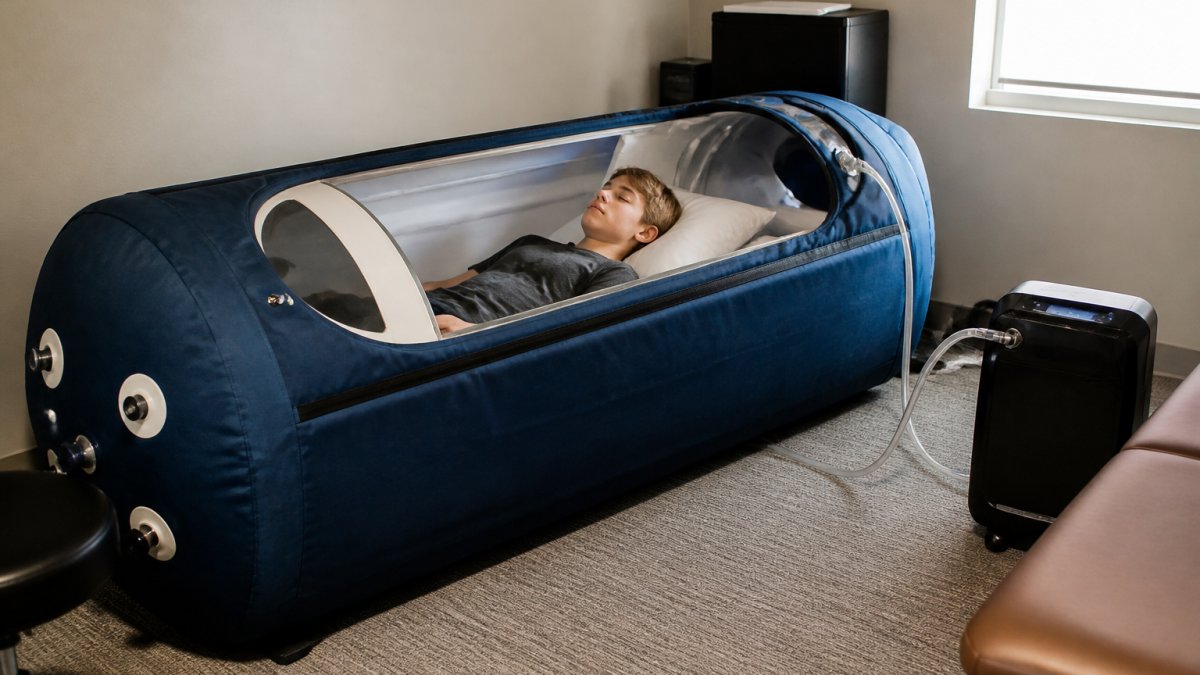
Mild HBOT uses lower atmospheric pressure, often in a soft-sided chamber, and is marketed for general wellness. Medical-grade HBOT uses higher pressure in a hard-sided chamber and is administered under clinical supervision for specific conditions. The pressure and oxygen concentration affect how much oxygen reaches your tissues. For athletic recovery, ask your provider which type they offer and what results to expect.
Recovery is where athletes either gain or lose ground, and guessing at it wastes both time and training. Total Body Works Personal Training offers HBOT therapy, ARPwave therapy, and distraction-free private training in one coordinated plan built around your goals. Get started with Total Body Works Personal Training and build a recovery protocol that supports your return to full performance.