 how-to
7-Day Anti-Inflammatory Meal Plan for Chronic Pain Relief
Last Updated: November 4, 2026
Quick Summary
An anti-inflammatory meal plan emphasizes foods shown to calm inflammation, such as fatty fish, extra virgin olive oil, nuts, legumes, and colorful produce, while limiting processed foods, refined sugars, and excess alcohol. Build each plate around half vegetables, a quarter protein, and a quarter fiber-rich carbohydrate, and drink 2-3 liters of water daily.
- A 2023 PMC chronic pain and diet trial linked more anti-inflammatory foods to improved pain intensity and stress levels.
- Aim for five servings of fruits and vegetables daily to help reduce insulin resistance and inflammation.
- On flare days, assemble meals from a separate two-tier prep system instead of cooking from scratch.
- Prioritize fatty fish two to three times per week if you have osteoarthritis or joint pain.
- Talk to your prescriber before changing intake of high-vitamin-K greens if you take a blood thinner.
Table of Contents
- Why an Anti-Inflammatory Meal Plan Matters for Chronic Pain
- Foods That Fight Inflammation: What to Put on Your Plate
- Foods to Avoid to Reduce Systemic Inflammation
- Anti-Inflammatory Meal Prep Tips for Pain-Flare Days
- A Sample 7-Day Anti-Inflammatory Meal Plan
- How to Manage Chronic Pain Naturally Beyond the Kitchen
- Building Your Plan With Private Training Support
- Frequently Asked Questions
Why an Anti-Inflammatory Meal Plan Matters for Chronic Pain
An anti-inflammatory meal plan is a structured way of eating that emphasizes foods shown to calm inflammation while limiting foods that drive it. For people living with chronic pain, that structure can support, not replace, medical care. Daily food choices can influence how people feel between training sessions.
The research is encouraging but modest. A 2023 study in the PMC chronic pain and diet trial found that people who ate more anti-inflammatory foods, such as blue fish, extra virgin olive oil, nuts, and legumes, showed improvements in pain intensity and stress levels. The same study used a guide that excluded red meat, gluten, and cow's milk.
That does not mean diet cures pain. It means food is one lever you can control.
- Diet is a supportive tool, not a treatment
- Consistency matters more than perfection
- Small swaps beat drastic overhauls
Foods That Fight Inflammation: What to Put on Your Plate
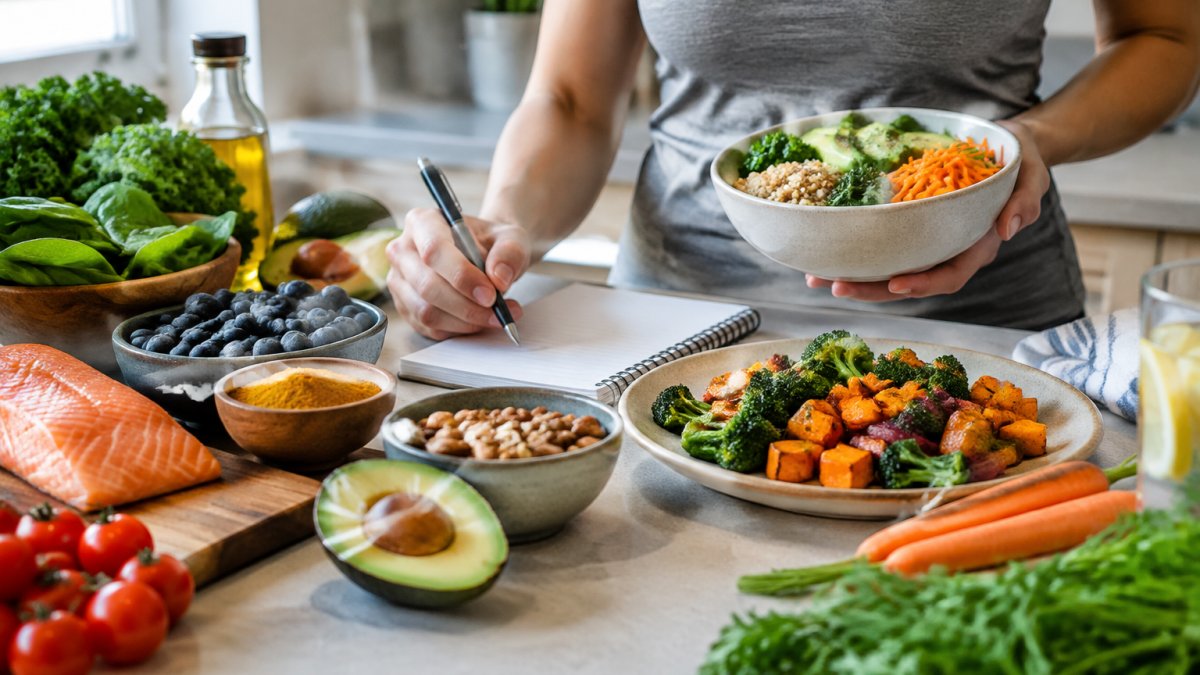
Start with whole foods and build meals around plants, healthy fats, and fish. The StatPearls review of anti-inflammatory diets lists food groups studied for their anti-inflammatory effects, including leafy green vegetables and dark yellow vegetables.
Omega-3 fatty acids from fish like salmon and sardines are a cornerstone. So are antioxidants from berries and phytonutrients from colorful produce.
- Fatty fish: salmon, sardines, mackerel
- Healthy fats: extra virgin olive oil, nuts, avocado
- Fiber-rich foods: legumes, oats, whole grains
- Colorful produce: leafy greens, berries, cruciferous vegetables
The Arthritis Society's anti-inflammatory meal prep guide suggests aiming for five servings of fruits and vegetables daily to help reduce insulin resistance and inflammation.
Foods to Avoid to Reduce Systemic Inflammation
Cutting back on pro-inflammatory foods is as important as adding good ones. The biggest offenders are heavily processed foods, refined sugars, and excess alcohol.
Watch out: removing whole food groups without guidance can create nutrient gaps. Talk to your doctor or a registered dietitian before making big cuts.
- Sugary drinks and refined carbs
- Processed meats and fried foods
- Excess alcohol
- Highly processed snacks
Anti-Inflammatory Meal Prep Tips for Pain-Flare Days
Most meal-prep advice assumes you can stand at a stove for an hour. On a flare day, that is the exact assumption that breaks the plan. The useful question is not "what should I cook?" but "what can I assemble with the least standing, gripping, and decision-making?"
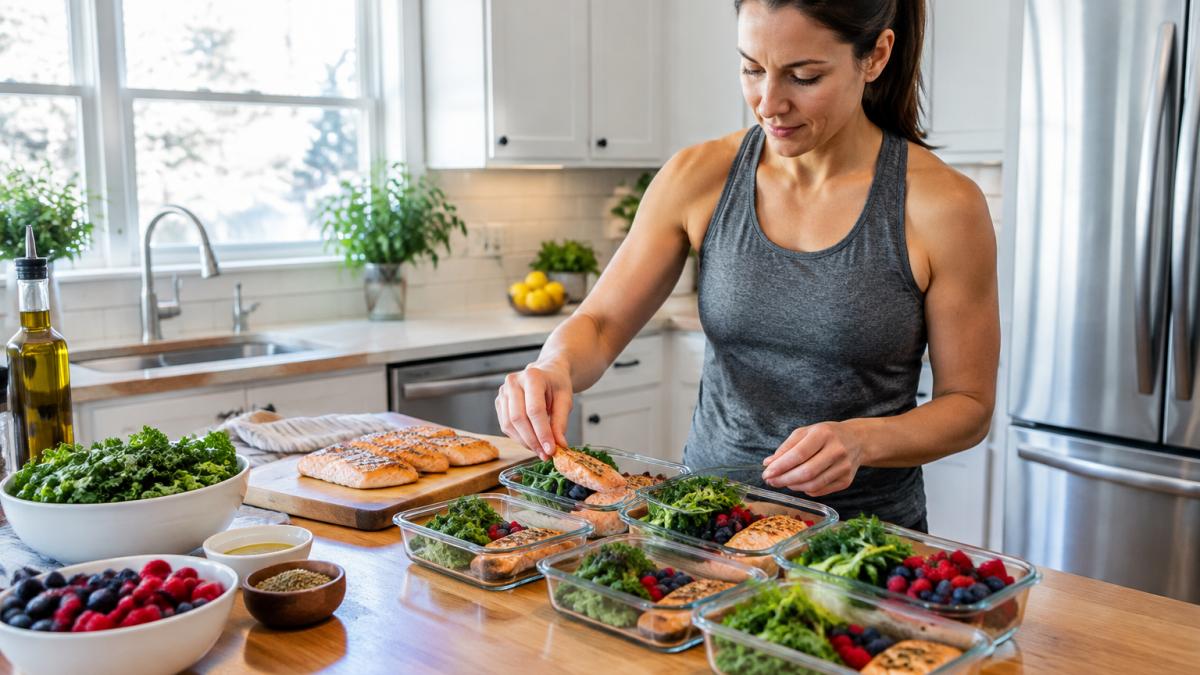
Build a two-tier prep system. On a good day, do the heavy work: cook one protein and one grain in bulk, roast a sheet pan of vegetables, and wash and chop produce. On a flare day, you only assemble. Keep the two tiers physically separate in your kitchen so you are not digging through the freezer while exhausted.
Reduce the physical load, not just the time. A few adjustments make cooking possible when hands, hips, or back are flaring:
- Sit to chop at a table rather than standing at the counter.
- Use a stool or roll a chair to the stove for stirring.
- Swap knife work for a food processor, bagged pre-washed greens, or frozen chopped vegetables.
- Cook once in a large batch and portion into single-serve containers you can grab with one hand.
- Keep a "no-cook shelf" at eye level: canned fish, nuts, pre-cooked grains, and shelf-stable roasted vegetables.
Plan for the crash, not just the flare. Fatigue often hits the day after a big prep session. Freeze half of every batch so a future flare week has backup meals that need only reheating. Label containers with the date and the reheat method so you are not problem-solving while in pain.
Watch out: Removing whole food groups during a flare to "reset" inflammation can create nutrient gaps and interact with pain medications; talk to your doctor or a registered dietitian before cutting dairy, gluten, or other staples.
On hard days, recovery support matters too. Our massage and recovery services can complement your plan when cooking feels like too much.
A Sample 7-Day Anti-Inflammatory Meal Plan
Use this week as a template, not a prescription. Portions vary by body size and activity level; most practitioners suggest building each plate around half vegetables, a quarter protein, and a quarter fiber-rich carbohydrate. Drink 2-3 liters of water daily, as the International Association for the Study of Pain notes for hydration and pain management.
Day | Breakfast | Lunch | Dinner |
|---|---|---|---|
1 | Oatmeal with berries and walnuts | Salmon salad with olive oil dressing | Lentil soup with spinach |
2 | Greek yogurt with nuts and berries | Chickpea and vegetable bowl | Grilled fish with greens |
3 | Veggie omelet with avocado | Quinoa salad with beans | Chicken with roasted vegetables |
4 | Spinach smoothie with flax | Tuna on whole grain with greens | Bean chili with brown rice |
5 | Oatmeal with walnuts and cinnamon | Lentil bowl with roasted vegetables | Baked salmon with broccoli |
6 | Eggs with avocado and tomato | Leftover chili over greens | Sardines with greens and olive oil |
7 | Yogurt parfait with oats and berries | Big salad with beans and seeds | Olive oil-poached fish with vegetables |
Tailor the week to your pain pattern. A generic plan is a starting point; the adjustments below are where most people see the biggest difference.
- Osteoarthritis or joint pain: prioritize fatty fish two to three times per week and keep portions moderate, since excess weight adds load to joints.
- Fibromyalgia or widespread pain: keep meals small and frequent if large meals worsen fatigue, and lean on easy-to-digest proteins like eggs, yogurt, and fish.
- Nerve pain: emphasize foods rich in B vitamins, such as whole grains, legumes, and leafy greens, and limit alcohol, which can worsen nerve symptoms for some people.
- Flare weeks: repeat the easiest three days rather than forcing variety; consistency matters more than novelty.
Watch out: If you take a blood thinner, do not dramatically change your intake of high-vitamin-K greens like spinach and kale without talking to your prescriber, since a sudden shift can affect how the medication works.
Make swaps, not overhauls. If a meal does not fit your budget or taste, swap within the same category: canned salmon for fresh, frozen berries for fresh, lentils for chickpeas. The anti-inflammatory pattern is what matters, not any single ingredient.
How to Manage Chronic Pain Naturally Beyond the Kitchen
Movement, sleep, and stress control round out the picture. Learning how to manage chronic pain with exercise helps you stay active without triggering flare-ups.
Our ARPWave therapy results article explains how neuro therapy may support recovery. You can also explore ARPWave neuro therapy to see whether it fits your situation.
Building Your Plan With Private Training Support
A meal plan works best with professional support. Our private personal training pairs nutrition habits with guided, distraction-free sessions.
Private training is distraction-free.
Frequently Asked Questions
Can an anti-inflammatory diet help with chronic pain?
Research suggests it can support pain management, though it is not a standalone cure. A 2023 study in PMC found that an anti-inflammatory dietary pattern, including blue fish, extra virgin olive oil, nuts, and legumes, was linked to improvements in pain intensity and stress levels. Pair dietary changes with professional guidance for the best results.
What are the core principles of an anti-inflammatory meal plan?
Focus on whole, unprocessed foods: five servings of fruits and vegetables daily, fiber-rich legumes and whole grains, healthy fats like extra virgin olive oil and omega-3 fatty acids from fish, and 2-3 liters of water. Limit pro-inflammatory foods such as red meat, refined carbohydrates, and added sugars. The Mediterranean-style pattern is a practical framework that emphasizes leafy greens and cruciferous vegetables.
How long does it take to notice pain relief from dietary changes?
There is no fixed timeline, and responses vary by person. The 2023 PMC study measured improvements over a structured dietary intervention period, suggesting consistency matters more than speed. Track your symptoms over several weeks and discuss progress with your healthcare provider before drawing conclusions.
How can nutrition complement professional pain management therapies?
An anti-inflammatory meal plan supports the body's recovery environment but does not replace therapies like physical training or targeted modalities. At Total Body Works Personal Training, private sessions and therapies such as ARPwave and HBOT are available as part of our services. Combining dietary improvements with expert-led movement and recovery support gives you a more complete approach to managing chronic pain.
Chronic pain is complex, and food is only one part of the answer. If you want a plan built around your body, Total Body Works Personal Training offers private personal training, ARPWave therapy, and HBOT therapy in a focused setting. Get started with us and take the next step toward steadier, more supported days.