 how-to
How to Maintain Independence With Age: A Practical Guide
Table of Contents
- Start With a Personal Independence Plan
- Strength Training for Older Adults: The Foundation of Independence
- Exercises to Improve Balance in Seniors
- How to Prevent Falls in Older Adults
- Aging in Place Tips for a Safer, More Accessible Home
- Assistive Technology, Transportation, and Community Access
- How to Maintain Independence While Accepting Help
- Frequently Asked Questions
Last Updated: October 19, 2026
Start With a Personal Independence Plan
Independence with age rarely happens by accident. It comes from a written plan that names what you want to keep doing, then protects those things on purpose. This guide from Total Body Works Personal Training shows you how to maintain independence with age by building a simple, personal plan you can adjust as your needs change.
The core idea is straightforward: decide what matters most, then build your week around it. A plan turns vague hopes into daily habits.
Assess What You Want to Keep Doing
Start by listing the activities that define your independence. Be specific, not general.
- Driving to the store on your own
- Gardening in the backyard
- Climbing stairs without holding the rail
- Carrying groceries inside
- Playing with grandchildren on the floor
- Cooking your own meals
Rank each item from "must keep" to "nice to keep." This ranking tells you where to spend your energy. A common mistake is treating every task as equally important. It isn't. Your must-keep list is the real target.
Set Up a Weekly Schedule That Protects Your Priorities
A weekly schedule is the tool that makes the plan real. Block time for movement, meals, and social contact the same way you'd block a doctor's visit.
A simple week might look like this:
- Three mornings: strength or balance work
- Two afternoons: a walk or community activity
- One day: meal prep and grocery run
- Daily: a check-in call with a friend or family member
Write it down and post it where you'll see it. Many older adults find that a visible schedule makes it easier to stay active on low-energy days.
Strength Training for Older Adults: The Foundation of Independence
Strength training for older adults is the single most direct way to protect independence. Muscle powers every daily activity, from standing up to carrying laundry.
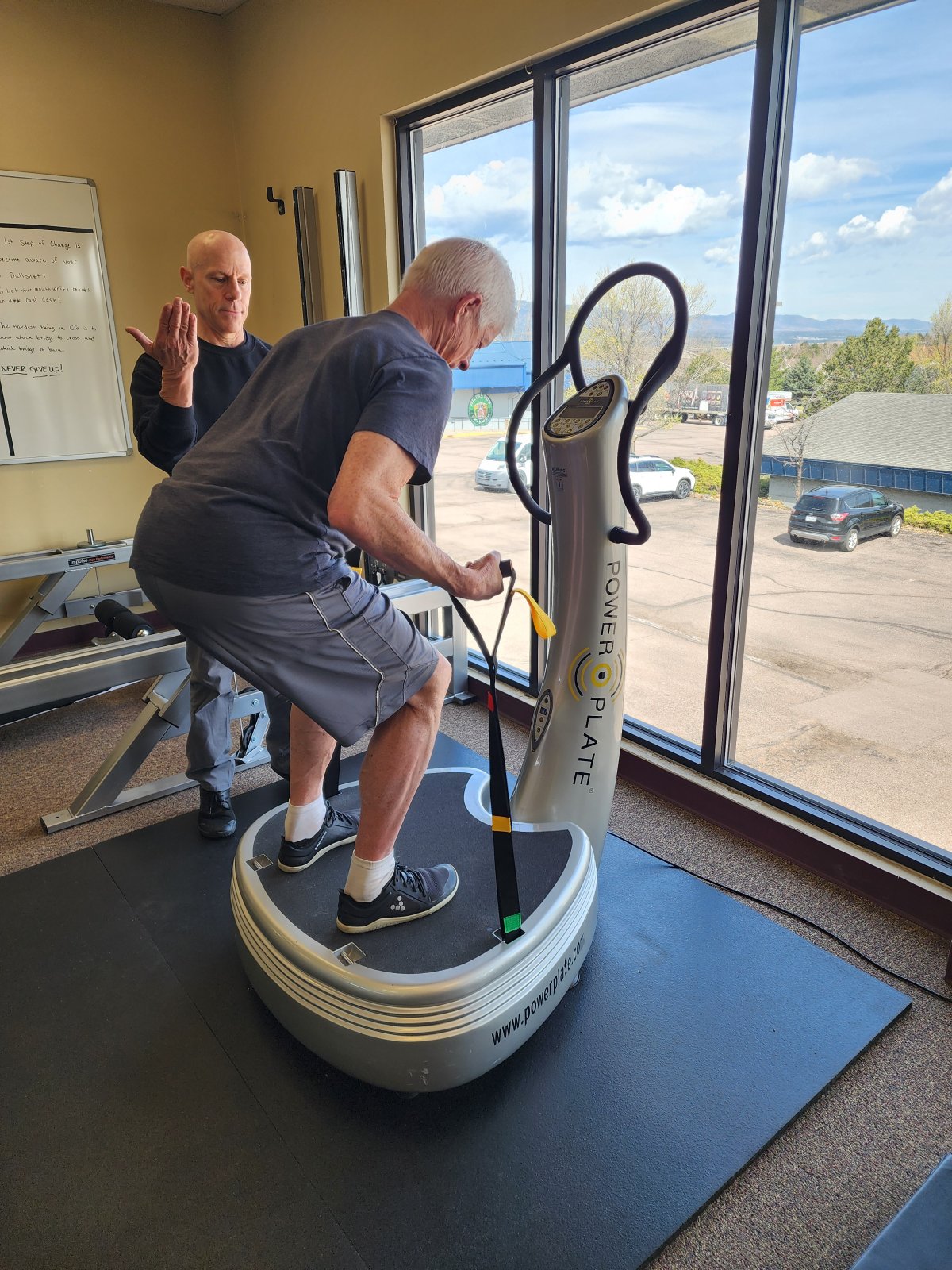
The goal isn't to become an athlete. It's to keep the muscles you use every day strong enough to do the job.
- Legs: chair stands and step-ups for getting out of a seat
- Hips and core: bridges and standing marches for balance
- Arms and back: light rows and presses for carrying and lifting
- Grip: squeezing a soft ball to keep hands strong
Start light and focus on controlled form. Two sessions a week is a solid starting point.
A common mistake is skipping strength work because it feels less "senior-friendly" than walking. At Total Body Works Personal Training, our active aging programs pair strength work with balance training so the two reinforce each other.
Exercises to Improve Balance in Seniors
Exercises to improve balance in seniors train the body to stay steady when weight shifts. Balance is a skill, and like any skill it improves with practice.
Try these, holding a sturdy counter or chair for safety:
- Single-leg stands: lift one foot slightly, hold for a few seconds, switch sides
- Heel-to-toe walks: walk in a straight line, placing one foot directly in front of the other
- Side steps: step sideways with control, then return
- Standing weight shifts: slowly shift weight from one foot to the other
- Slow turns: practice turning in place with small, controlled steps
Do a few minutes most days. Consistency beats intensity here. The National Institute on Aging's exercise guidance notes that balance activities are most effective when practiced regularly rather than in occasional long sessions.
How to Prevent Falls in Older Adults
Knowing how to prevent falls in older adults comes down to three things: strong legs, a steady home, and honest attention to risk.
Start with a home walk-through. Look for loose rugs, cluttered walkways, poor lighting, and cords across the floor. Fix what you can and remove what you can't secure.
- Keep clear walkways in every room
- Add nightlights in hallways and bathrooms
- Wear supportive shoes, not loose slippers
- Review medications with a doctor for dizziness side effects
- Get vision checked regularly
Regular check-ups and preventive care catch problems early, before they cause a fall. The Centers for Disease Control and Prevention's fall prevention resources outline simple steps like these that reduce fall risk at home.
Aging in Place Tips for a Safer, More Accessible Home
Aging in place tips work best when you make small changes before you need them. An accessible home lets you keep living independently, on your terms. The practical challenge is knowing which changes matter most, what they cost, and how to pay for them.
Prioritize the Rooms Where Falls Happen
Focus first on the bathroom, bedroom, and stairs, where most home falls occur. Work through each room with a simple checklist:
- Bathroom: install grab bars in the shower and beside the toilet, add a shower chair and handheld sprayer, use non-slip mats, and consider a raised toilet seat.
- Bedroom: keep a lamp and phone within reach of the bed, clear a straight path to the bathroom, and add a nightlight.
- Stairs: secure handrails on both sides, improve lighting at the top and bottom, and mark the edge of each step with contrasting tape.
- Kitchen: move frequently used items to waist height, and replace hard-to-reach storage with a small step stool that has a handle.
- Entryways: add a ramp or threshold ramp, a sturdy bench, and motion-sensor lighting.
Understand What Modifications Cost
Costs vary widely by region and contractor, but a few patterns hold. Basic safety items are inexpensive: grab bars, non-slip mats, nightlights, and handheld shower sprayers are typically the lowest-cost changes and deliver the highest fall-prevention return. Larger projects, such as walk-in tubs, stairlifts, or widened doorways, cost substantially more and usually require a contractor and sometimes a permit. Get at least two written estimates before committing, and ask whether the contractor has experience with accessibility work.
Find Funding and Assistance
The Eldercare Locator run by the Administration for Community Living can connect you with local programs that help with home safety assessments and sometimes with modification costs. Area Agencies on Aging often administer home-repair and chore programs. Some state Medicaid programs cover certain home modifications when they are medically necessary, and long-term care insurance policies may reimburse eligible changes. Check with your insurer and your local aging agency before paying out of pocket.
Make Changes Before You Need Them
The best time to install a grab bar is before a fall, not after. Small, early changes preserve confidence and keep the whole house usable. If you're unsure where to start, a professional home safety assessment can rank changes by risk and cost so you spend your budget where it protects you most.
Assistive Technology, Transportation, and Community Access
Technology and community access are the parts most guides skip. Both matter more than people expect, because they extend your reach beyond your front door. A practical plan covers three areas: tools that support daily tasks, ways to get where you need to go, and regular contact with others.
Choose Assistive Technology That Fits Your Life
Assistive technology covers a wide range of tools. Match the tool to the task you want to protect:
- Medication management: automatic pill dispensers and reminder alarms reduce missed doses.
- Emergency response: medical alert devices with fall detection summon help when you can't reach a phone.
- Communication: smart speakers and large-button phones make hands-free calls and reminders easier.
- Vision and hearing: magnifiers, amplified phones, and television listening devices keep you connected.
- Mobility: canes, walkers, and rollators extend your range when strength or balance changes.
Before buying, check whether your health insurance, Medicare Advantage plan, or state program covers the device. Many tools are inexpensive, but larger items such as stairlifts or powered wheelchairs are significant purchases, so compare options and ask your doctor or an occupational therapist for a recommendation.
Plan Transportation Before You Need It
Losing the ability to drive doesn't have to mean losing your freedom, but the transition is easier when you plan ahead. Look into:
- Local senior ride services and volunteer driver programs
- Accessible transit and paratransit services in your area
- Ride-share apps, which some areas offer with reduced fares for older adults
- Family and neighbor schedules you can rely on for regular appointments
A good habit is to test one alternative ride option while you still drive, so you know how it works before you depend on it.
Stay Connected to Your Community
Social connection is just as important as mobility. Loneliness and social isolation affect health, so build regular contact into your week. A faith group, senior center, library program, or standing coffee date all count. The key is consistency: a recurring commitment is easier to keep than an occasional plan.
How to Maintain Independence While Accepting Help
You can maintain independence while accepting help. The two aren't opposites. The key is deciding which tasks to hand off so you keep the ones that matter most.
Think of help as a tool, not a loss. Accepting support with heavy cleaning, for example, frees your energy for the activities you love.
- Be clear about what you want to keep doing yourself
- Ask for help with specific tasks, not "everything"
- Keep decision-making in your hands
- Talk openly with family and caregivers about your priorities
Caregiver communication and balancing safety with autonomy is a two-way street. Family support works best when everyone knows your goals.
Frequently Asked Questions
How can older adults maintain their independence?
The core habits are regular strength and balance work, a safer home, and a clear plan for the activities you value most. Strength training for older adults preserves the muscle and joint function that daily tasks depend on, while balance practice and fall prevention reduce injury risk. Add routine check-ups, social connection, and a written plan for handling errands, transportation, and home upkeep. Small consistent steps beat occasional bursts of effort, and a trainer or physical therapist can help you build a routine that matches your current abilities.
How does strength training support independence in older adults?
Strength training keeps the muscles you use for standing up, carrying groceries, climbing stairs, and catching yourself if you stumble. It also supports bone density and joint stability, which lowers injury risk during everyday movement. A well-designed program for older adults uses controlled resistance, progressive loads, and enough recovery time. Working with a trainer who understands age-related joint pain helps you train safely and adjust as your abilities change, so you can keep doing the tasks that let you live on your own terms.
When should an older adult ask for help with everyday tasks?
Ask for help when a task has started to feel risky rather than merely tiring. Warning signs include needing to grip walls or furniture to move around, avoiding stairs or showers, skipping meals because cooking feels hard, or feeling unsteady carrying laundry. Getting help early with specific tasks, like heavy lifting or home repairs, preserves your energy for the things you want to do yourself. A physical therapist or doctor can assess whether the change is temporary or points to something that needs treatment.
How can family members support an older adult's independence?
Support works best when it protects autonomy instead of taking it over. Ask what the person wants help with before suggesting changes, and offer specific options rather than general concern. Help with transportation, home modifications like grab bars, or finding a trainer for strength and balance work. Keep communication direct and collaborative, and revisit the plan as abilities change. The goal is to keep decisions in the older adult's hands while removing the barriers that make daily tasks harder than they need to be.
Maintaining independence takes planning, strength, and the right support. If you want expert guidance to stay strong and steady, Total Body Works Personal Training offers distraction-free private personal training, active aging programs, and specialized recovery options like ARPwave and HBOT therapy. Our personalized fitness guidance and private sessions are built around your goals. Call 719-414-0482 to get started and keep doing what you love.