 how-to
How to Manage Chronic Pain With Exercise
Table of Contents
- Why Exercise Helps Manage Chronic Pain
- Low Impact Exercises for Chronic Pain
- How to Manage Chronic Pain Naturally
- ARPwave Therapy for Pain Management
- Overcoming the Fear of Movement (Kinesiophobia)
- Integrating Exercise With Other Therapies
- Frequently Asked Questions
Last Updated: October 2, 2026
Why Exercise Helps Manage Chronic Pain
Learning how to manage chronic pain with exercise starts with one fact: movement is medicine, but only when it is dosed correctly. At Total Body Works Personal Training, we see this every week with clients across Colorado Springs and Monument. The right exercise plan can lower pain, improve mood, and rebuild strength.
How Exercise Affects Pain Signals
Pain modulation is the body's built-in process of turning down pain signals before they reach full awareness. Exercise supports this process in several ways:
- It triggers endorphin release, the body's natural pain relievers
- It improves blood flow to stiff, sore tissues
- It raises your pain threshold over time
- It reduces central sensitization, where the nervous system stays on high alert
The Role of Consistency
Consistency beats intensity. A short walk every day does more for chronic musculoskeletal pain than one hard workout per week. Your nervous system adapts to repeated, gentle signals, not occasional shocks.
Low Impact Exercises for Chronic Pain
Low impact exercises for chronic pain are movements that raise your heart rate and build strength without jarring your joints. They are the safest starting point for most people. The goal is low-impact activity you can repeat without a pain flare-up.
Middle-aged woman practicing gentle water aerobics with a trainer to learn how to manage chronic pain with exercise.
Aerobic Conditioning
Aerobic conditioning improves cardiovascular health while gently pushing your pain threshold upward. Good options include:
- Walking on flat ground or a treadmill
- Swimming or water aerobics
- Stationary cycling
- Recumbent biking
Strengthening Exercises
Strengthening exercises rebuild the muscles that protect painful joints. Weak muscles force other structures to work harder, which keeps pain alive. Focus on:
- Bodyweight squats to a chair
- Resistance band rows
- Wall push-ups
- Glute bridges
A Complete Equipment-Free Home Routine
You do not need a gym membership, bands, or machines to start. This 20-minute circuit uses only a chair, a wall, and floor space. Run it 2 to 3 times per week on non-consecutive days.
Order | Movement | Dose | Modification if Pain Flares |
|---|---|---|---|
1 | Sit-to-stand from chair | 2 x 8-12 | Use armrests to push up |
2 | Wall push-up | 2 x 8-12 | Stand closer to wall |
3 | Standing hip hinge (hands on thighs) | 2 x 8 | Reduce range, keep spine tall |
4 | Seated marching | 2 x 30 seconds | Slow the pace |
5 | Heel-to-toe stand (hold counter) | 3 x 20 seconds | Widen stance |
6 | Supine glute bridge | 2 x 8 | Lift hips only an inch |
Matching the Type to Your Condition
The best low-impact choice depends on where your pain lives. A few common patterns:
- Knee osteoarthritis: cycling and water exercise reduce joint load while building the quadriceps that support the knee.
- Low back pain: walking and hip hinges train the posterior chain without spinal compression.
- Fibromyalgia: warm-water exercise and gentle walking tend to be tolerated better than land-based strength work at the start.
- Neuropathic pain: recumbent biking and seated movement limit the weight-bearing that can aggravate nerve symptoms.
Flare-Up Decision Rules
A flare-up is not a reason to quit, it is a reason to adjust. Use these rules:
- Mild soreness (1-3 out of 10) that fades within 24 hours: continue at the same dose.
- Pain that rises during the session and stays elevated the next day: cut the dose by half next time.
- Sharp, shooting, or radiating pain: stop the movement and substitute a gentler option.
- A full flare lasting more than a few days: return to the previous week's dose, not to zero.
Exercise Type | Example | Starting Dose | Main Benefit |
|---|---|---|---|
Aerobic | Walking, swimming | 10-15 min, most days | Pain modulation, endurance |
Strengthening | Bands, bodyweight | 2 days per week | Joint support, function |
Flexibility | Gentle stretching | Daily, 5-10 min | Range of motion |
Heel-to-toe stands | 3 days per week | Fall prevention |
How to Manage Chronic Pain Naturally
Understanding how to manage chronic pain naturally means building habits that work with your body, not against it. Exercise is the foundation. Sleep, stress control, and pacing are the walls. Skip any one of them and the structure gets shaky.
Setting Realistic Goals
Most people quit because they aim too high. A realistic goal is one you can hit on your worst day, not your best.
- Week 1: Walk 5 minutes daily
- Week 4: Walk 15 minutes daily
- Week 8: Add two strength sessions
- Week 12: Review and adjust
Tracking Progress Beyond Pain Levels
Pain scores lie. They swing with sleep, stress, and weather. Track these instead:
- How many minutes you moved this week
- Stairs climbed without stopping
- Time spent sitting vs. standing
- Mood and sleep quality
ARPwave Therapy for Pain Management
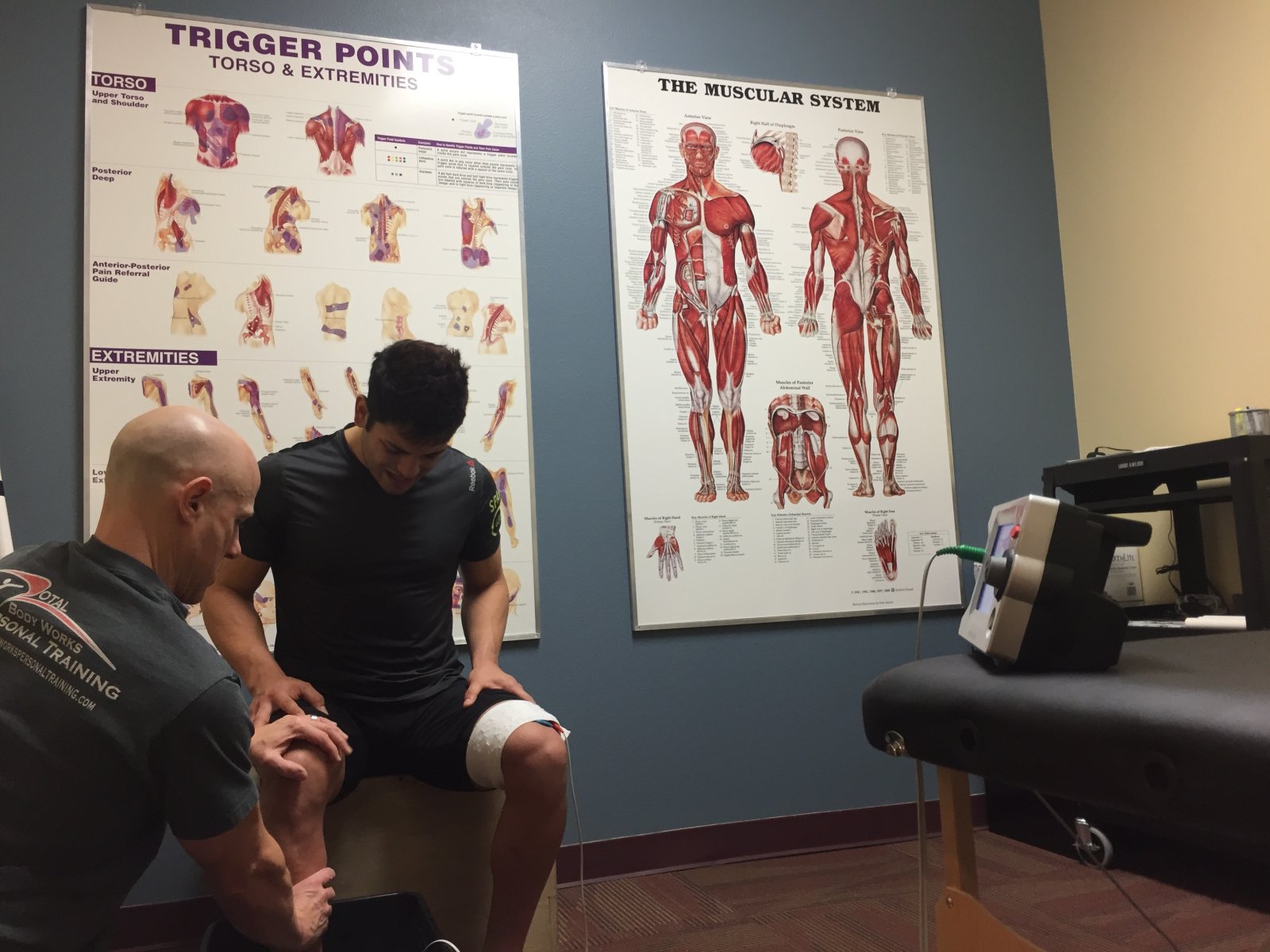
ARPwave therapy for pain management uses electrical stimulation to help muscles and nerves reset after injury. It is different from a standard TENS unit. ARPwave reads the body's electrical signals and sends corrective currents to retrain how muscles fire.
Overcoming the Fear of Movement (Kinesiophobia)
Kinesiophobia is the fear of movement that develops after pain or injury. It is one of the biggest barriers to recovery, and most guides barely mention it. Naming it is not enough, you need a method for dismantling it.
What Graded Exposure Actually Looks Like
Graded exposure means approaching feared movements in steps small enough that your nervous system learns they are safe. The principle is simple: start below the level that triggers fear, succeed, then nudge the threshold up. A workable structure:
- Make a fear list. Write down 5 to 10 movements you avoid because you expect pain (bending, lifting a laundry basket, walking up stairs).
- Rate each one 0-10 for how much fear it provokes.
- Start with the lowest-rated item. Not the middle, not the hardest, the easiest.
- Break it into a smaller version. If lifting a laundry basket is a 4, start with an empty basket. If stairs are a 3, start with one flight, slowly.
- Repeat until the fear rating drops by 2 points, then move to the next item.
- Never skip ahead because you feel good one day. Progress is earned by repetition, not by good days.
The Cognitive Piece: Reframing the Sensation
Graded exposure changes behavior. Cognitive reframing changes the story you tell yourself about what you feel. Two habits help:
- Separate soreness from damage. Delayed-onset soreness after new activity is normal and peaks 24 to 48 hours later. Sharp, shooting, or radiating pain is a different signal. Learning to tell them apart removes the alarm.
- Replace "this will hurt me" with "this is unfamiliar." The sensation of a new movement is not the same as injury. Learning to label the sensation accurately can help with progress.
Pacing: The Skill That Prevents Relapse
Fear often returns after a flare-up. Pacing is the tool that keeps it from taking over. The idea is to do slightly less than you think you can on good days, so you have reserve on bad days.
- Set a baseline you can hit on a bad day, not a good one.
- Stop the session while you still feel capable, leave one or two reps in the tank.
- Track your dose (minutes, sets, reps) so you can see the pattern when a flare hits.
- After a flare, return to the last dose you tolerated, not to zero.
When to Bring in a Professional
Self-guided graded exposure works for many people. A trainer or physical therapist can guide this process so you build confidence alongside strength.
Integrating Exercise With Other Therapies
Exercise works best as part of a pain management plan, not as a solo act. The biopsychosocial model of pain shows that biology, mood, and social factors all shape how pain feels.
Combine movement with:
- Physical therapy for hands-on care
- Massage to release tight tissue
- Stress management and good sleep
- Guidance from a qualified provider
Frequently Asked Questions
What is the best exercise for chronic pain?
There is no single best exercise, but low impact options like walking, swimming, and cycling are often recommended. A 2020 review in the Journal of Clinical Medicine found that aerobic and strengthening exercises both reduce pain and improve function. The key is to start gradually and choose activities you can do consistently. For personalized guidance, a professional trainer can help tailor a routine to your specific condition.
How do I start an exercise routine when I have chronic pain?
Begin with short sessions of gentle movement, such as 5 to 10 minutes of walking or stretching, and increase slowly. Set realistic goals and track your progress beyond just pain levels, like improved sleep or mood. If fear of movement holds you back, consider working with a trainer experienced in chronic pain. They can design a safe, gradual plan that respects your limits.
Is it normal for pain to increase slightly when starting an exercise program?
Mild post-exercise soreness is common, especially when you are new to activity. However, sharp or worsening pain is a sign to stop and consult a healthcare provider. A 2019 study in Pain Medicine noted that gradual progression helps minimize flare-ups. Listen to your body and adjust intensity as needed. Working with a professional can help you distinguish normal soreness from injury.
How does ARPwave therapy help with chronic pain management?
ARPwave therapy uses electrical stimulation to help reduce pain and improve muscle function. It is often used alongside exercise to address chronic pain and support recovery. While research is ongoing, some patients report reduced pain and better mobility. At Total Body Works Personal Training, ARPwave is integrated into personalized programs. Consult with a qualified professional to see if it is right for you.
Chronic pain makes movement feel risky, and that fear keeps people stuck. It does not have to. Total Body Works Personal Training offers distraction-free private sessions, couples training, and specialized therapies like ARPwave and HBOT to help you move safely again. Our active aging programs are built for adults who want to stay independent and strong. Get started with Total Body Works Personal Training and rebuild your strength one safe session at a time.