 blog
ARPWave Therapy Results for Chronic Pain
Table of Contents
- How ARPWave Therapy Works for Chronic Pain
- What Real ARPWave Therapy Results Look Like
- How to Manage Chronic Pain Without Surgery
- Benefits of ARPWave for Athletes
- ARPWave Therapy Session Duration and What to Expect
- ARPWave vs. Traditional Physical Therapy
- Safety, Contraindications, and Cost Expectations
- Conclusion: Is ARPWave Worth Trying for Your Chronic Pain?
- Frequently Asked Questions
Last Updated: October 5, 2026
How ARPWave Therapy Works for Chronic Pain
ARPWave therapy is a non-invasive treatment that uses bio-electrical stimulation to help the body repair damaged tissue and reduce chronic pain signals.
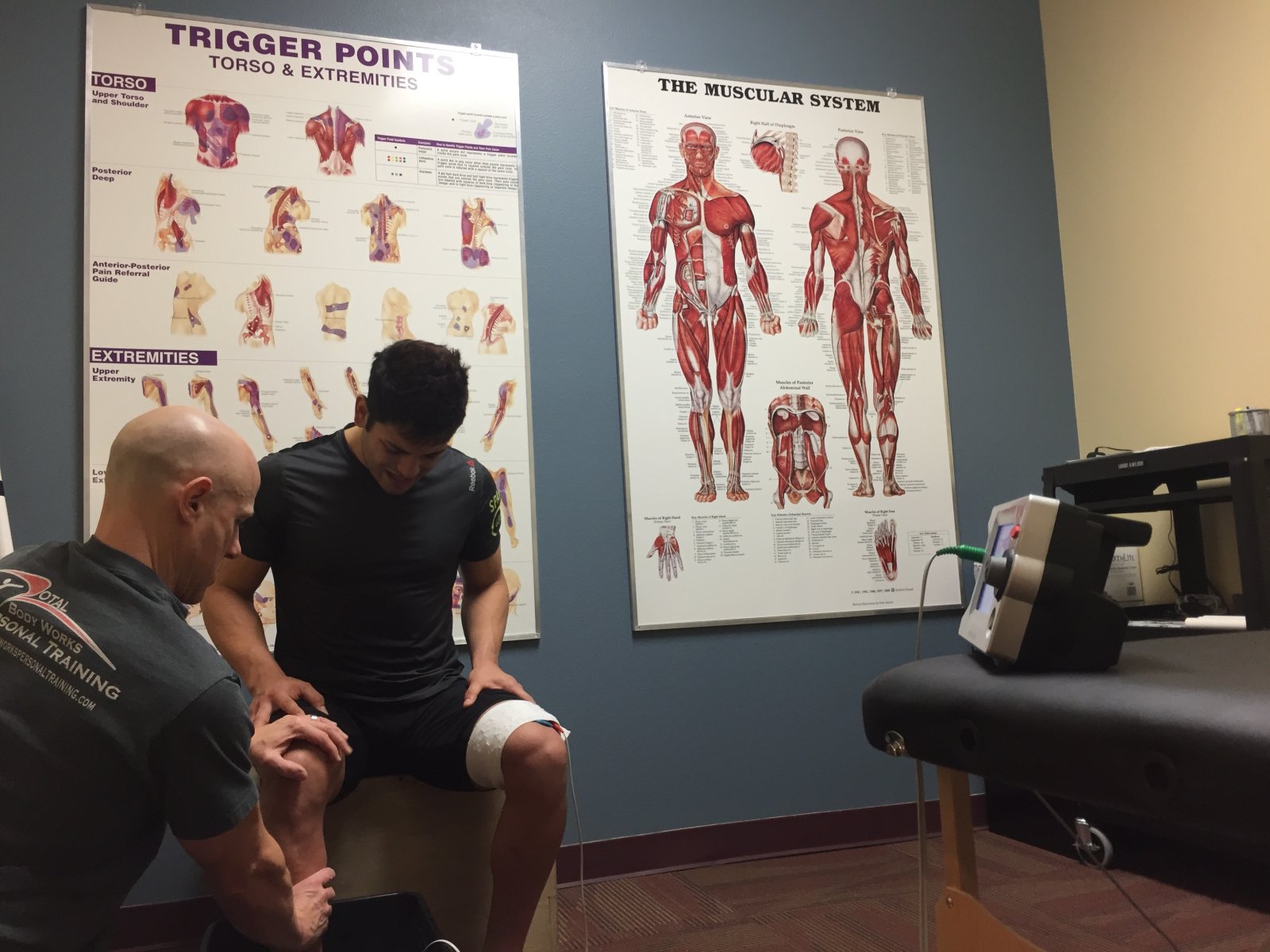
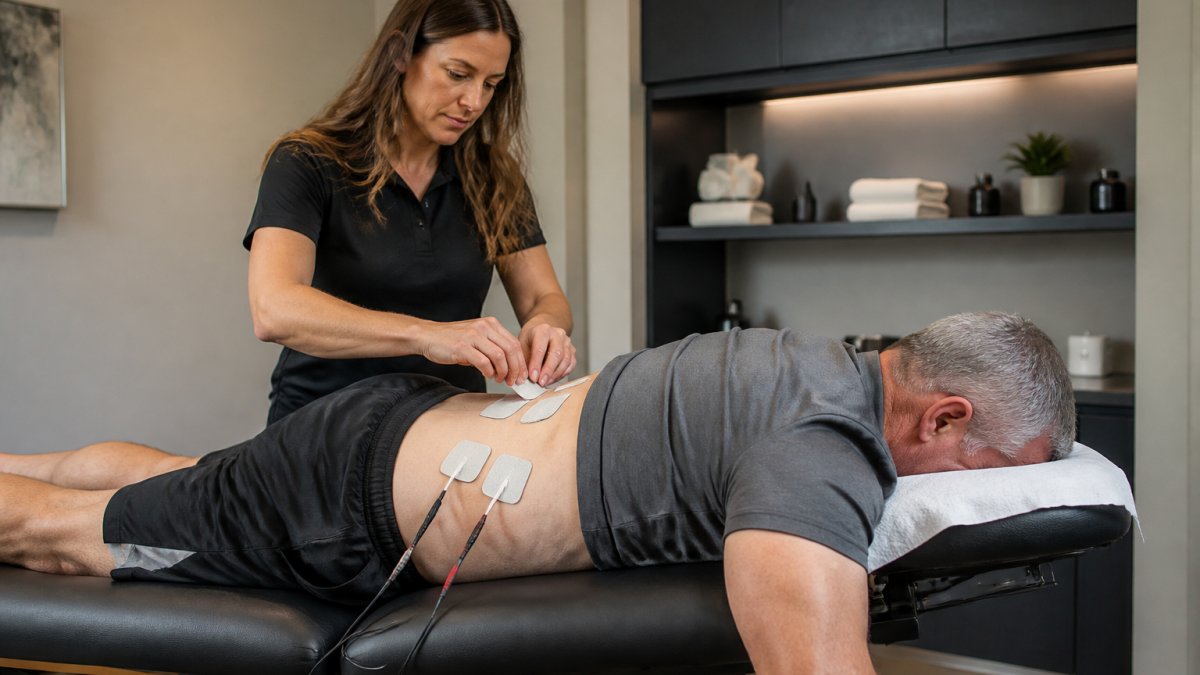
The system sends a mild electrical current through the injured area. This current mimics the natural signals your nervous system uses to coordinate muscle activation and tissue repair. When pain has been present for months or years, those signals often get disrupted. ARPWave aims to restore them.
The Bio-Electrical Signal Behind Pain Relief
Your nervous system controls how muscles fire, how tissue heals, and how pain signals travel. Chronic pain can interrupt all three.
ARPWave works by sending a direct current through the treatment area. This current carries the same electrical properties your body produces naturally. The goal is to wake up dormant muscles and help the nervous system reregulate.
This approach can help with:
- Muscle activation in areas that have gone quiet after injury
- Circulation to damaged tissue
- Pain signal disruption at the nerve level
- Range of motion recovery when stiffness has set in
The National Institute of Neurological Disorders and Stroke overview of chronic pain explains how persistent pain involves changes in the nervous system itself, which is why treatments targeting nerve signaling can help when other approaches stall.
What Real ARPWave Therapy Results Look Like
Results from ARPWave therapy vary by person, condition, and how long the pain has been present. That is the honest starting point. But "it varies" is not useful on its own, so here is what the pattern actually looks like in practice.
A common progression can follow roughly this arc:
- Sessions 1-3: Many people notice a change in sensation first, and additionally some lower significantly in their pain score. The area may feel warmer, looser, or "awake" for the first time in months. Some feel sore afterward, similar to a workout.
- Sessions 4-6: Functional changes start to show up. Reaching overhead, standing up from a chair, or walking up stairs becomes less guarded. Pain may drop during activity even if it is still somewhat present at rest.
- Weeks 7-10: With consistent sessions plus the home movement work between them, strength and range of motion tend to consolidate. This is where most people say the change feels durable rather than temporary, many therapists call it the bullet proof stage.
These are patterns, not promises. Someone with a two-month-old injury often responds faster than someone who has been guarding the same area for a decade. Nerve-related pain, joint degeneration, and soft-tissue injuries each respond on their own timeline.
What Results Are Not
ARPWave is not a cure. It is a tool that, when combined with guided movement and strength work, can help restore function. It does not reverse structural damage, and it does not replace imaging, diagnosis, or a physician's care for a serious underlying condition.
Results can depend heavily on what happens between sessions. The therapy primes the tissue. The exercise and movement work rebuild it. Consistency with home work can support better outcomes.
How to Manage Chronic Pain Without Surgery
Managing chronic pain without surgery starts with a clear plan: reduce pain signals, restore movement, and rebuild strength. Surgery is sometimes necessary, but many people benefit from trying structured non-surgical care first.
A non-surgical plan usually includes:
- Targeted therapy to address the specific injury or pain pattern
- Guided exercise to rebuild strength and stability
- Hands-on techniques like massage to release tight tissue
- Lifestyle changes for sleep, stress, and daily movement habits
The Centers for Disease Control and Prevention guidance on non-opioid pain management notes that non-drug approaches are often recommended as first-line options for chronic pain.
Where ARPWave Fits in a Non-Surgical Plan
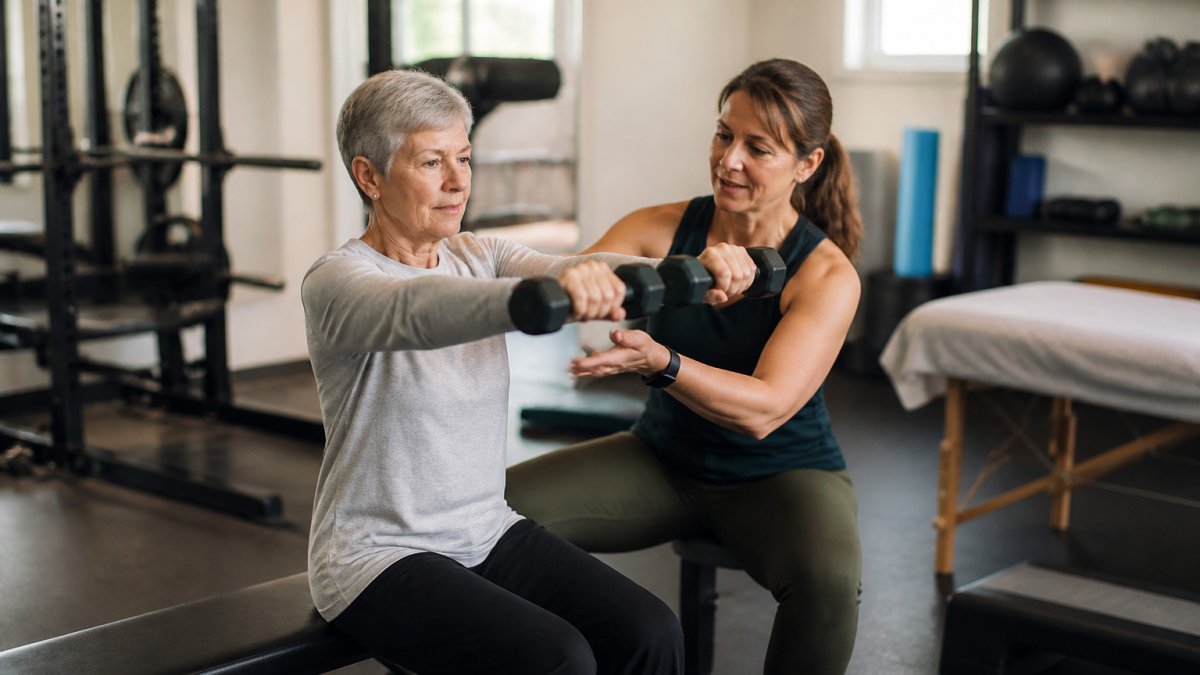
ARPWave is one piece of the puzzle. It helps calm pain signals and wake up muscles that have stopped working properly. But it works best when paired with movement, strength training, and hands-on therapy.
At Total Body Works Personal Training, we combine ARPWave with private personal training and massage. This provides clients with a comprehensive approach to recovery in a private environment.
Benefits of ARPWave for Athletes
For athletes, ARPWave can support a return to activity after injury. The therapy may help reduce swelling, improve muscle recruitment, and support tissue repair.
Athletes dealing with ligament injuries, post-surgical recovery, or nagging overuse pain often use ARPWave to get back to training sooner. The bio-electrical current helps the body do what it already knows how to do, just more efficiently.
Potential benefits include:
- Improved muscle activation after immobilization
- Reduced disuse atrophy during recovery periods
- Better stability in joints that have been injured
- Support for functional movement patterns
ARPWave Therapy Session Duration and What to Expect
A typical ARPWave therapy session lasts 30 to 60 minutes, depending on the area being treated and your response to the current. Most people need multiple sessions over several weeks. (Source: research on the efficacy of bio-electrical stimulation for pain management)
During a session, you will feel a tingling or pulsing sensation. The intensity is adjusted to your comfort level. You may also do gentle movements while the current is active, which helps retrain the muscles.
Afterward, some people feel relaxed. Others feel sore, similar to after a workout. Both are normal.
The number of sessions varies. Some people notice changes in a few visits. Others need a longer course of treatment.
ARPWave vs. Traditional Physical Therapy
ARPWave and traditional physical therapy take different paths to the same goal: less pain and better function. Many people benefit from both.
Feature | ARPWave Therapy | Traditional Physical Therapy |
|---|---|---|
Primary tool | Bio-electrical current | Exercise and manual therapy |
Typical session | 30-60 minutes | 45-60 minutes |
Focus | Nerve signaling and muscle activation | Strength, mobility, and function |
Best for | Chronic pain, post-injury recovery | Broad rehab and conditioning |
Hands-on time | High, often one-on-one | Varies by clinic |
Traditional physical therapy builds strength and mobility through exercise. ARPWave targets the electrical signals that control how muscles fire. The two approaches complement each other.
Safety, Contraindications, and Cost Expectations
Most ARPWave content online is written to sell the therapy. Very little of it tells you who should not use it. That is a problem for chronic pain patients, who are often managing multiple conditions and medications at once. This section is the one most guides skip.
Who Should Not Use ARPWave
ARPWave sends a direct electrical current through tissue. That makes certain medical devices and conditions an absolute stop:
- Pacemakers and implanted defibrillators, the current can interfere with device function.
- Implanted electrical devices such as spinal cord stimulators, deep brain stimulators, and insulin pumps.
- Pregnancy, not enough is known about fetal exposure to this type of current, so it is treated as a contraindication.
- Active cancer in the treatment area, electrical stimulation is generally avoided over known tumor sites.
- Blood clots or active infection in the treatment area.
- Open wounds, severe skin conditions, or loss of sensation in the area being treated.
Who Should Talk to a Doctor First
These are not automatic disqualifiers, but they require a physician's sign-off before treatment:
- Any history of seizures or epilepsy
- Recent surgery, especially with hardware, staples, or sutures still in place
- Heart conditions, including arrhythmias
- Pregnancy (already listed above, but worth repeating because it is the most common question)
- Any implanted medical device, even one you think is unrelated
What a Proper Intake Screening Looks Like
A provider who starts treatment without asking about implants, pregnancy, seizure history, and current medications is cutting corners. A thorough intake should cover your full medical history, current medications, prior surgeries, and the specific location and character of your pain. If a provider skips that conversation, that is your signal to find another provider.
What to Expect on Cost and Insurance
ARPWave is typically billed as a private-pay service. Most health insurance plans do not cover it as a standalone treatment, and Medicare does not recognize it as a covered modality. Some plans may reimburse portions of a visit if ARPWave is bundled with services a licensed provider would otherwise bill, but that depends entirely on the plan and the provider's credentials.
Because coverage is limited, many people pay out of pocket. The practical questions to ask any provider before you commit:
- Is the initial evaluation billed separately from treatment sessions?
- Are sessions sold individually or in packages, and what happens if you need to stop mid-package?
- Is the provider licensed in a field that could submit to insurance, and will they?
- What is included in a session, table time only, or table time plus guided exercise?
Treatment plans often involve multiple sessions per week for several weeks, tapering as function returns. Ask for the full expected course before you start. A provider who cannot give you a clear plan is not giving you a clear value.
How to Compare This to Standard Care
If you are weighing ARPWave against traditional physical therapy, ask two questions: what does each approach do that the other does not, and what does your specific injury actually need? Traditional PT is more likely to be covered by insurance and has a broader evidence base. ARPWave is a targeted adjunct that some people find helpful when standard care has plateaued. Neither replaces a proper diagnosis.
Conclusion: Is ARPWave Worth Trying for Your Chronic Pain?
Chronic pain that has not responded to rest, medication, or standard exercise can be challenging. ARPWave offers an additional approach, one that targets the nervous system itself.
It is not a miracle cure. It works best as part of a full plan that includes movement, strength work, and hands-on care.
If you are in the Colorado Springs or Monument area and want to explore whether ARPWave therapy results for chronic pain could help you, we offer private sessions that combine ARPWave, HBOT, and massage in a distraction-free setting.
Call 719-414-0482 to schedule a consultation and find out if this approach fits your situation.
Frequently Asked Questions
Does ARPWave therapy actually work for chronic pain?
ARPWave uses bio-electrical stimulation to target the nervous system and muscle activation patterns that keep pain signals firing. Many patients report reduced pain and improved range of motion, though results vary by condition and how long the pain has been present. It is not a guaranteed cure, and it works best as part of a broader rehabilitation protocol that includes movement retraining and gradual loading. A consultation with a qualified provider can help you decide if it fits your situation.
How many ARPWave sessions are typically required to see results?
Most protocols call for multiple sessions per week over several weeks, with the total number depending on your injury history and pain duration. Some people notice changes in muscle activation and pain threshold within the first few sessions, while deeper tissue repair and functional movement improvements take longer. Your provider will reassess progress regularly and adjust the plan. Consistency matters more than the total count.
Is ARPWave therapy a safe alternative to surgery for chronic pain?
ARPWave is a non-surgical intervention, but it is not a replacement for surgery in every case. It may help reduce pain and support rehabilitation for certain musculoskeletal conditions, yet some injuries still require surgical evaluation. A physician or qualified clinician should review your imaging and history before you rely on any single therapy. ARPWave can complement a non-surgical plan, but it should not delay necessary medical care.
How does ARPWave therapy differ from traditional physical therapy?
Traditional physical therapy often focuses on exercise, manual therapy, and stretching to improve strength and mobility. ARPWave adds bio-electrical stimulation that aims to normalize nerve conduction and muscle recruitment patterns, which can be useful when pain signals have disrupted normal movement. Many clinics combine both approaches. The right choice depends on whether your primary limitation is pain signaling, muscle inhibition, or joint mechanics.
Chronic pain rarely resolves with a single treatment. It takes a plan, the right tools, and a provider who adjusts as you progress. Total Body Works Personal Training offers distraction-free private sessions, ARPWave therapy, and HBOT therapy to support your recovery. Get started with Total Body Works Personal Training and build a recovery plan that fits your life.