 Comparison
Why Private Training Beats Big Gyms: 2026 Comparison
Table of Contents
- Private Training vs. Big Gyms: A Side-by-Side Comparison
- The Benefits of Private Personal Training
- Why a Distraction-Free Workout Environment Matters
- Active Aging Personal Training for Adults 50 and Over
- Specialized Fitness Therapies You Won't Find at Big Gyms
- Cost-Benefit Analysis: What You Actually Get for Your Money
- Conclusion
- Frequently Asked Questions
Last Updated: September 28, 2026
Private Training vs. Big Gyms: A Side-by-Side Comparison
Private training is one-on-one or small-group coaching delivered in a dedicated, appointment-based studio rather than an open gym floor. The format trades the low monthly dues of a big-box gym for focused attention, guaranteed equipment access, and programming built around one person's goals. This guide from Total Body Works Personal Training breaks down where that trade actually pays off.
Big gyms sell access. Private studios sell outcomes. That distinction drives everything else in this comparison, from how fast you see results to whether you keep showing up at all.
The table below summarizes the core differences at a glance.
| Factor | Big Gym | Private Training Studio |
|---|---|---|
| Coaching | Optional add-on | Built into every session |
| Equipment access | Shared, wait times common | Reserved for your session |
| Environment | Open floor, high member density | Private, low traffic |
| Programming | Generic templates | Customized to your goals |
| Scheduling | Drop-in anytime | Appointment-based |
| Accountability | Self-managed | Trainer-tracked |
For anyone weighing why private training beats big gyms, the answer usually comes down to three things: attention, environment, and follow-through.
The Benefits of Private Personal Training
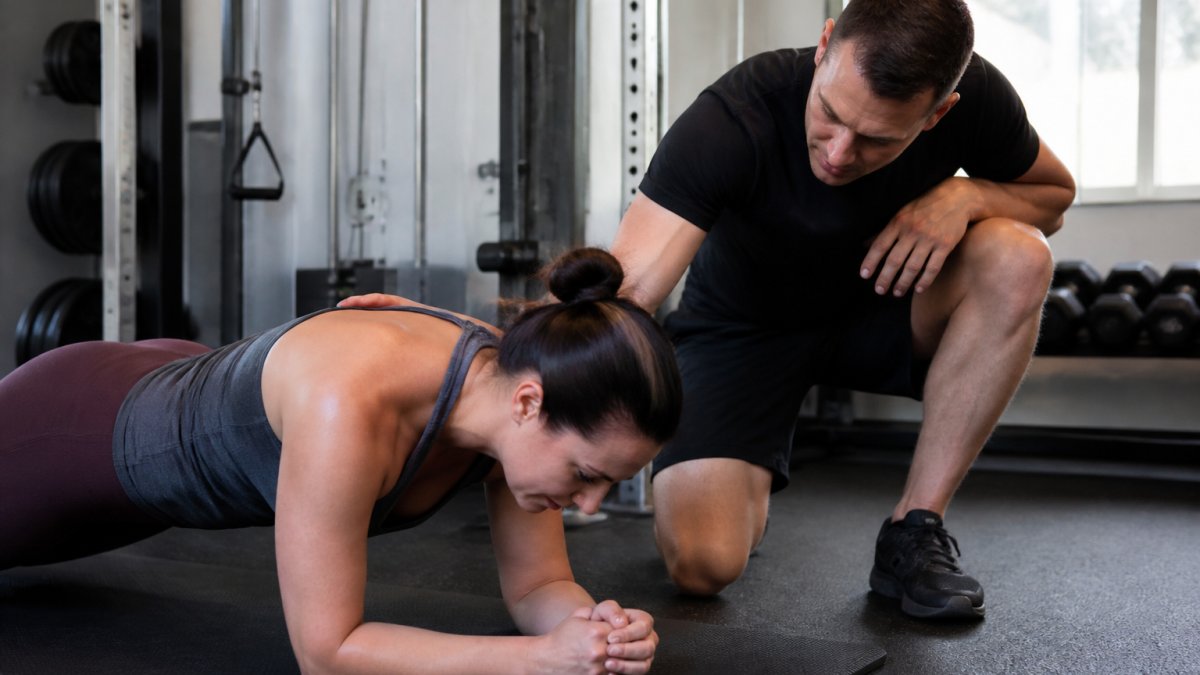
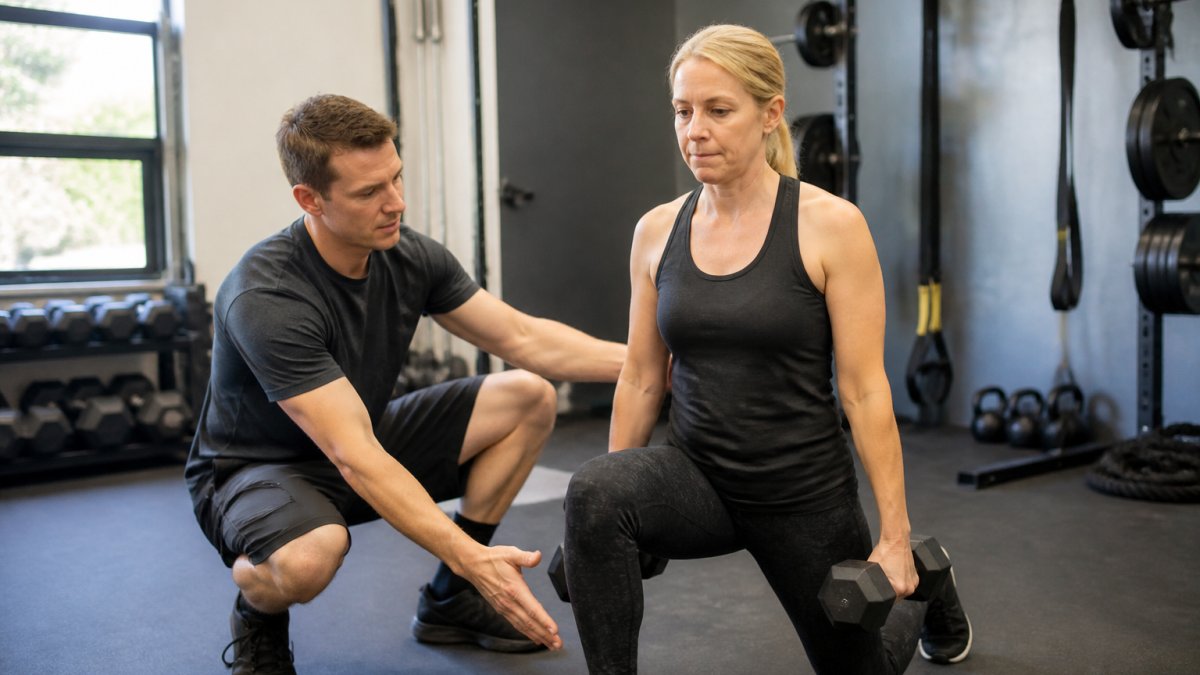
The benefits of private personal training start with supervision. A certified fitness professional watches every rep, corrects exercise technique in real time, and adjusts training intensity based on how you respond that day. That level of oversight is difficult to replicate on a crowded gym floor.
Personalized Coaching vs. Generic Programming
Generic programming assumes every body responds the same way. It does not. A trainer builds customized programming around your injury history, mobility limits, and schedule, then revises it as you progress.
What most guides miss is how much this matters for anyone over 50 or recovering from an injury. A cookie-cutter plan can aggravate an old shoulder problem or overload knees that need gradual loading. A fitness professional catches those risks before they become setbacks.
Accountability and Goal Tracking
Accountability is the quiet engine behind long-term results. When someone expects you at a set time, skipping becomes a decision rather than a default.
Performance tracking turns that accountability into something measurable. Trainers log strength gains, range of motion, and endurance markers, so progress is visible even in weeks when the scale does not move. Client retention in private settings tends to run high for exactly this reason: people stay because they can see the work paying off.
Why a Distraction-Free Workout Environment Matters
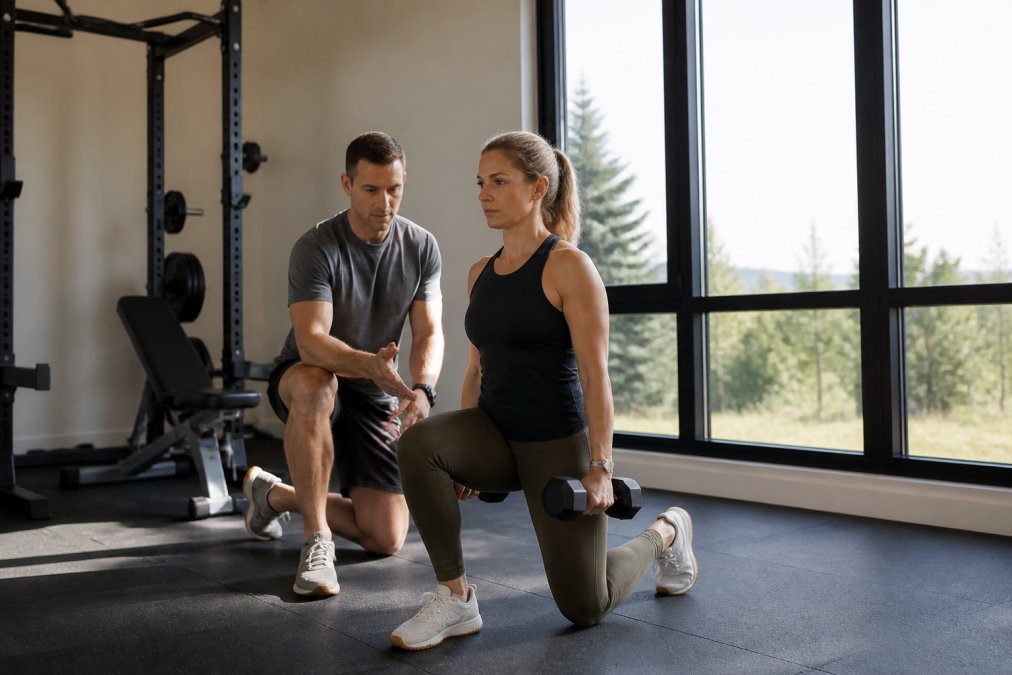
A distraction-free workout environment removes the two biggest friction points in fitness: waiting and watching. You are not queuing for a squat rack, and you are not performing in front of a crowd. But the environment advantage goes deeper than convenience, and it is where most comparisons stop short.
Equipment Availability and Wait Times
Equipment availability is the difference between a 45-minute session and a 70-minute one. In a busy commercial gym, peak hours mean waiting for benches, cables, and racks. That downtime stretches your workout and breaks its rhythm.
In a private studio, the equipment you need is free when you arrive. Workout efficiency improves because the session moves at the pace your training plan intended, not the pace of whoever else showed up.
There is a second-order benefit here that rarely gets mentioned: when you are not waiting, you are not improvising. Improvised substitutions mid-session are one of the most common ways people drift away from a program and into random exercise selection.
Privacy and Gymtimidation
Gymtimidation is real, and it keeps people away. The fear of being judged while learning a new movement stops many adults before they ever build a fitness routine.
A private setting removes that audience entirely. Beginners learn exercise technique without an audience, and experienced clients push heavier loads without distraction. For couples training, the privacy also means you can work at different fitness levels side by side without comparison.
The psychological piece is not just about comfort. When someone is anxious about being watched, they tend to under-load, rush reps, or skip exercises they find intimidating. That avoidance pattern is exactly what stalls progress.
Sanitation and Equipment Upkeep: The Overlooked Variable
This is the part of the environment comparison almost no one writes about, and it matters more than most people realize.
Biomechanics and Safety in an Uncrowded Space
A private floor also changes what your trainer can see. On a crowded gym floor, a coach working with you is managing space, traffic, and other members. In a private studio, the same coach can watch your movement from multiple angles, catch a knee that caves on a squat, or spot a shoulder that shrugs early on a press.
Active Aging Personal Training for Adults 50 and Over
Active aging personal training is programming designed around the physical changes that come with age: slower recovery, joint stiffness, and a higher priority on balance and fall prevention. It is not watered-down training. It is training aimed at the right targets.
Specialized Fitness Therapies You Won't Find at Big Gyms
Big gyms sell memberships and equipment. They do not typically offer therapeutic recovery services alongside training, which is where specialized studios separate themselves.
Cost-Benefit Analysis: What You Actually Get for Your Money
A big-box membership is priced per month. Private training is priced per outcome. That difference in billing model is the real source of the cost gap, and it is also why the two are hard to compare line by line.
What the Higher Rate Actually Replaces
When you add up what a serious gym habit really costs, the gap narrows fast:
- Personal training add-ons. Most commercial gyms sell one-on-one sessions as a separate package on top of dues. Once you add even a few sessions a month, you are already in private-studio territory.
- Programming and periodization. A trainer who writes and revises your plan is doing work that a template or an app cannot replicate.
- Progress tracking. Load logs, range-of-motion notes, and session-to-session adjustments are part of the service.
- Recovery and therapeutic services. Studios that pair training with therapies like ARPwave, HBOT, or massage can offer integrated recovery options.
- Time recovered. A session that runs 45 minutes instead of 70 because nothing is queued is not just convenient.
The Cost of a Membership You Stop Using
The most expensive fitness purchase is not the highest-priced one. It is the one you abandon. A monthly membership that sits unused for a year costs more in real terms than a focused program you actually complete, because you paid for access you never converted into training.
How to Run the Comparison Yourself
Rather than quote a single rate, here is the framework to apply to any option you are weighing:
- Divide total annual spend by sessions actually completed. This is your true cost per workout, and it usually reframes the decision.
- Count the add-ons. If coaching, programming, or recovery services cost extra at one option and are included at another, add them in before comparing.
- Assign a value to your time. Waiting for equipment, driving to a crowded floor at off-peak hours, and re-learning form from scratch all consume hours you cannot bill back.
- Weight the downside risk. A single injury from unsupervised loading can cost weeks of training and, in some cases, medical bills. Supervision is a form of insurance against that outcome.
Conclusion
The hardest part of any fitness routine is not starting. It is continuing once the initial motivation fades and the gym floor gets crowded again. Private training solves for that by putting a person, a plan, and a private space between you and the reasons you usually quit.
Frequently Asked Questions
Is private training more cost-effective than a big gym membership?
It depends on how you measure value. A big gym membership costs less per month, but many members pay for months they barely use. Private training costs more per session, yet every session is structured around your fitness goals with a certified fitness professional. When you factor in faster progress, fewer wasted visits, and reduced injury risk from proper exercise technique, the financial investment often delivers better long-term results than a standard gym membership you rarely use.
What should I look for when choosing a private fitness studio?
Look for professional certification, low trainer turnover, and a clean, distraction-free workout environment. Ask about customized programming and how the studio tracks performance over time. If you have chronic pain or injuries, check whether the studio offers specialized fitness therapies or works alongside medical providers. Scheduling flexibility matters too, especially if you travel or work irregular hours. A good studio will offer a consultation so you can assess whether the training environment fits your needs before committing.
How does a distraction-free workout environment improve consistency?
A distraction-free workout environment removes the crowds, noise, and waiting that break focus at large commercial gyms. When equipment availability is guaranteed and no one is competing for space, sessions run on schedule and you spend your full session time training. That efficiency builds a reliable fitness routine. Clients who train in private settings often report better accountability because their trainer is focused entirely on them, not splitting attention across a crowded floor.
Can private training help with injury recovery and chronic pain?
Yes, when the program is designed around your limitations. A qualified fitness professional can adjust training intensity, modify exercise technique, and incorporate therapies like ARPwave or HBOT to support recovery. Private training allows close supervision so movements stay safe for active injuries. Always consult your physician before starting a new program, and choose a studio experienced in working with clients who have chronic pain or are recovering from injury.