 How-to
Private Fitness Training in Monument, CO: How to Choose
Table of Contents
- What Private Fitness Training in Monument, CO Actually Involves
- The Benefits of Private Personal Training Over a Standard Gym Membership
- How to Evaluate a Certified Personal Trainer Before You Commit
- Active Aging Fitness Programs: Training That Adapts to Your Body
- Couples Personal Training Sessions: What to Expect and Who They Suit
- Membership Tiers, Pricing Structures, and What You Are Paying For
- Red Flags and Common Mistakes When Choosing Private Fitness Training
- Frequently Asked Questions
Last Updated: September 30, 2026
What Private Fitness Training in Monument, CO Actually Involves
Private fitness training in Monument, CO is one-on-one or small-group coaching delivered in a distraction-free, member-only facility rather than a crowded open gym floor. Sessions center on a personalized workout plan built from a fitness assessment, with a certified personal trainer adjusting load, tempo, and recovery as you progress.
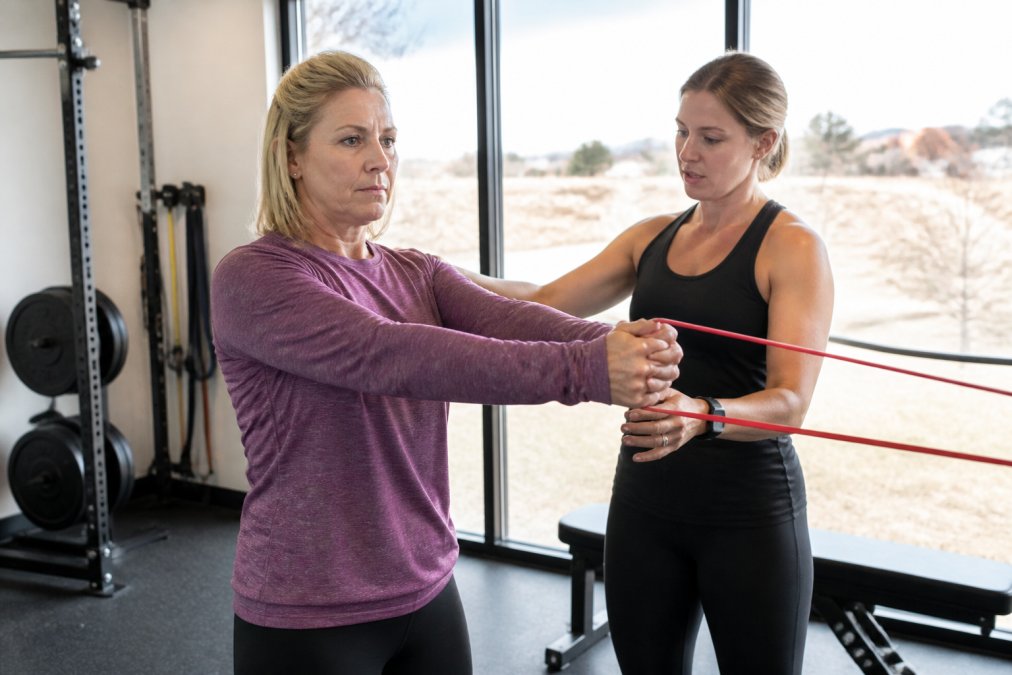
At Total Body Works Personal Training, we see the difference every week: clients who stalled for years in big-box gyms finally make progress once someone is watching every rep. The format is simple. You get a fitness consultation, a written plan, and a trainer who owns the outcome with you.
What separates this from a standard membership comes down to four things:
- A private fitness environment with no waiting for equipment
- Programming built around your body composition, injury history, and schedule
- Direct accountability between sessions, not just encouragement during them
- Access to recovery therapies that generic gyms simply do not offer
That last point matters more than most people expect.
The Benefits of Private Personal Training Over a Standard Gym Membership
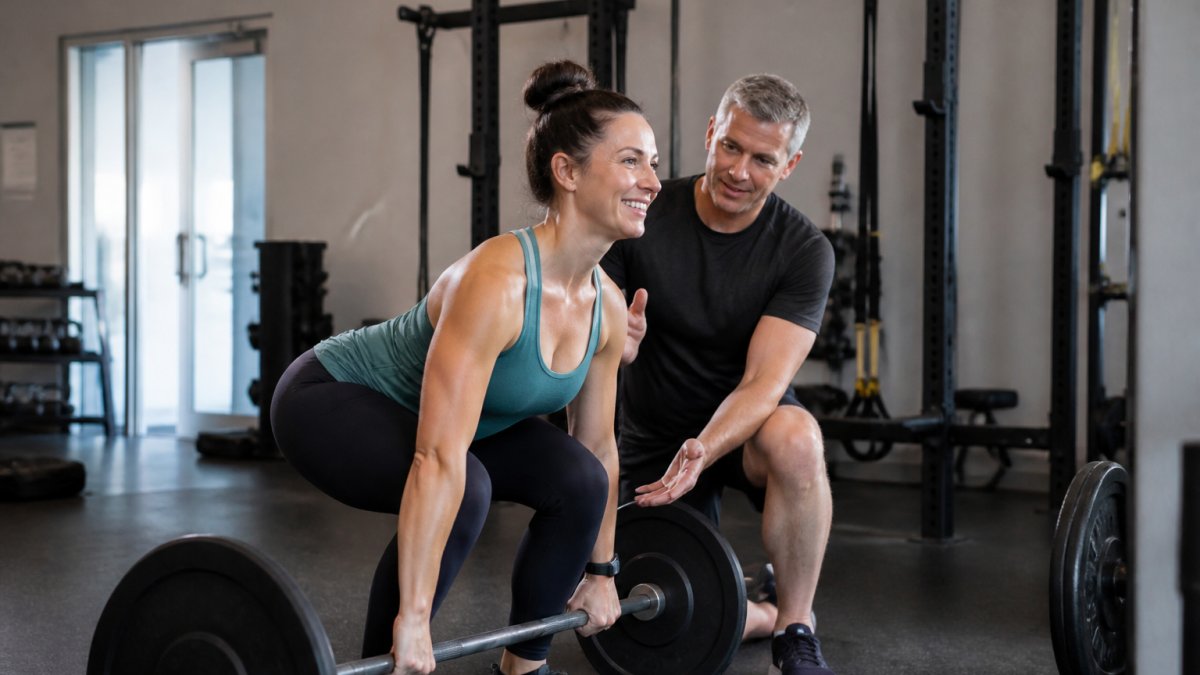
The main benefit of private personal training is accountability with precision. A trainer corrects form in real time, adjusts the plan weekly, and notices when your shoulder is compensating before it becomes an injury. A gym membership gives you access. Private training gives you a plan and a person responsible for it.
Here is the practical breakdown:
| Factor | Standard Gym Membership | Private Personal Training |
|---|---|---|
| Programming | Self-directed | Customized exercise plan |
| Form correction | None | Real-time coaching |
| Accountability | Low | Scheduled sessions |
| Recovery support | Rarely offered | Often integrated |
| Best for | Self-motivated lifters | Beginners, rehab, active aging |
How to Evaluate a Certified Personal Trainer Before You Commit
Evaluating a trainer means checking credentials, then testing how they think. Certifications matter, but the consultation tells you more. A good trainer asks about your injury history, your schedule, and what you have already tried before they ever mention a package.
Stage 1: Verify Credentials and Insurance
Look for a current certification from a recognized body such as the National Academy of Sports Medicine or the American Council on Exercise, plus current CPR and AED training. These are the baseline, not the differentiator.
Ask directly about:
- Which certifying organization issued the credential and when it expires
- Whether the trainer carries professional liability insurance
- Continuing education hours logged in the past year
- Any specialty certifications (corrective exercise, senior fitness, post-rehab)
Stage 2: The Consultation Interview
A fitness consultation should feel like an interview you are running. Ask how the trainer measures progress, what happens if you miss a week, and how they modify a session around an active injury. If the answers are vague, that is your answer.
Bring these seven questions to every consultation:
- What does your onboarding process look like in the first month?
- How do you track performance and adjust my plan?
- What is your policy if I need to pause or reschedule?
- Do you coordinate with my physical therapist or physician?
- What results do clients like me typically see, and over what timeframe?
- What populations do you work with most, and which do you refer out?
- Can I see a sample written program for someone with my goals?
Stage 3: The Trial Session
Book one session before committing to a package. During that session, watch for three things:
- Does the trainer watch your movement or stare at their phone?
- Do they explain the why behind each exercise, or just count reps?
- Do they adjust the plan mid-session based on what they see?
Active Aging Fitness Programs: Training That Adapts to Your Body
Active aging fitness programs are structured training plans designed for adults over 50 who want to protect mobility, balance, and independence. The programming emphasizes functional fitness, flexibility training, and joint-friendly strength work instead of heavy maximal lifts.
Expect a first month built around:
- A fitness assessment covering balance, range of motion, and gait
- Strength training with controlled tempo and lighter loads
- Flexibility and mobility work to protect joints
- Cardiovascular conditioning at a conversational pace
Couples Personal Training Sessions: What to Expect and Who They Suit
Couples personal training sessions are shared workouts where two partners train side by side under one trainer, usually at a lower combined rate than two separate sessions. The format works because each partner gets individual programming within a shared time slot.
Couples training suits:
- Partners who motivate each other better than they motivate themselves
- Couples with different fitness levels who want one shared appointment
- Pairs who prefer a private fitness environment over a group class
- Anyone who has struggled to keep a solo routine going
Membership Tiers, Pricing Structures, and What You Are Paying For
Pricing for private fitness training depends on session frequency, whether you train solo or as a couple, and which therapies are bundled in. Most facilities offer single sessions, monthly packages, and small-group options. Ask for the full rate sheet in writing before you commit.
The Three Common Pricing Models
Most private training businesses use one of three structures:
| Model | How It Works | Best For |
|---|---|---|
| Pay-per-session | Buy sessions individually at the highest per-session rate | Testing a trainer before committing |
| Monthly package | Fixed number of sessions per month at a lower per-session rate | Clients with a consistent weekly schedule |
| Small-group or couples | Two to four clients share one trainer at a reduced combined rate | Partners or friends with similar goals |
The per-session rate drops as the commitment length increases, but so does your flexibility. That trade-off is the single most important thing to understand before you sign.
Variables That Move the Price
When comparing quotes, line up these variables:
- Cost per session versus cost per month
- Contract length and cancellation terms
- Whether unused sessions roll over or expire
- What recovery therapies are included versus add-on
- Whether an initial assessment is charged separately
- Whether the trainer coordinates with outside providers (physical therapists, physicians)
A package that includes an assessment, a written program, and recovery access may cost more per session than a bare-bones option but deliver more value per dollar. Compare total deliverables, not just the headline rate.
Questions to Ask Before You Sign
- What is the total cost of the package, including any assessment or onboarding fees?
- What happens to unused sessions if I travel or get sick?
- Is there a cancellation window, and what does it cost to cancel?
- Are recovery therapies included or billed separately?
- Can I downgrade or upgrade my package mid-term?
Ask for current rates directly from the provider rather than relying on secondhand numbers. Package pricing changes, and a quote from six months ago tells you nothing useful today.
Red Flags and Common Mistakes When Choosing Private Fitness Training
The biggest red flag is a trainer who promises a specific outcome on a fixed timeline before assessing you. Bodies do not work that way. A second red flag is a facility with no clear policy on injuries, scheduling, or cancellations.
Common mistakes we see:
- Choosing on price alone and ignoring credentials
- Skipping the consultation and buying a package on the first visit
- Failing to ask how progress gets measured
- Assuming all trainers handle chronic pain or active injuries the same way
- Never asking what happens if you need to pause for travel or work
Frequently Asked Questions
How much does a private personal training session typically cost?
Pricing for private fitness training varies based on session length, package size, and the trainer's credentials. Most providers offer tiered packages that lower the per-session rate when you commit to more sessions. Some also bundle specialized therapies like ARPwave or HBOT into their pricing. Because rates change and depend on your specific goals, contact Total Body Works Personal Training directly for current pricing and package options.
What should I look for when hiring a private personal trainer?
Look for a current certification from a recognized body, experience working with clients who share your goals or limitations, and a willingness to conduct a fitness assessment before writing your program. Ask about their approach to injury recovery, how they track progress, and whether they offer a trial session. A trainer who asks detailed questions about your health history and lifestyle is more likely to build a plan that fits you.
How does private training differ from a standard gym membership?
A gym membership gives you access to equipment and a facility. Private fitness training adds a certified professional who designs your workout plan, watches your form, adjusts intensity in real time, and holds you accountable between sessions. You also get a private fitness environment without waiting for machines or competing for space. For people managing chronic pain, recovering from injury, or returning to exercise after years away, that guidance often makes the difference between progress and quitting.
Are there specialized fitness training options for active aging in the area?
Yes. Active aging fitness programs focus on mobility, balance, joint-friendly strength work, and functional fitness that supports daily activities like climbing stairs or carrying groceries. Trainers who work with adults 50 and over adjust exercises for arthritis, past injuries, and slower recovery times. If you are in the Monument or Colorado Springs area, look for a provider who offers a fitness assessment and builds a personalized workout plan around your current condition rather than a generic senior fitness class.