 How-to
How to Prepare for an ARPwave Session
Last Updated: November 15, 2026
Quick Summary
To prepare for an ARPwave session, eat a light meal one to two hours before, drink water through the morning, and wear loose gym-style clothing that allows access to the treatment area. The day before, skip alcohol, note your medications, and arrive 10 to 15 minutes early for paperwork.
- Skip alcohol in the 24 hours before your ARPwave session.
- Leave jewelry and metal accessories at home, especially near the treatment area.
- Bring a water bottle, small towel, medication list, and any prior imaging or referral paperwork.
- Tell your therapist about implanted devices, pregnancy, recent surgery, skin issues, or blood clot history.
- Speak up during treatment if the current feels too strong or a movement hurts sharply.
Table of Contents
- What an ARPwave Session Involves Before You Prepare
- Your Pre-Session Checklist for an ARPwave Session
- What to Wear and What to Bring
- Food, Hydration, Caffeine, and Medication Guidance
- When to Postpone: Contraindications and Precautions
- What to Tell Your Therapist Before Treatment Begins
- Your First ARPwave Session: What to Expect and How to Communicate
- Scheduling Your ARPwave Session at Total Body Works Personal Training
- Frequently Asked Questions
What an ARPwave Session Involves Before You Prepare
An ARPwave session is a treatment that uses electrical stimulation to help muscles activate correctly, and knowing how it works makes your preparation far more useful.
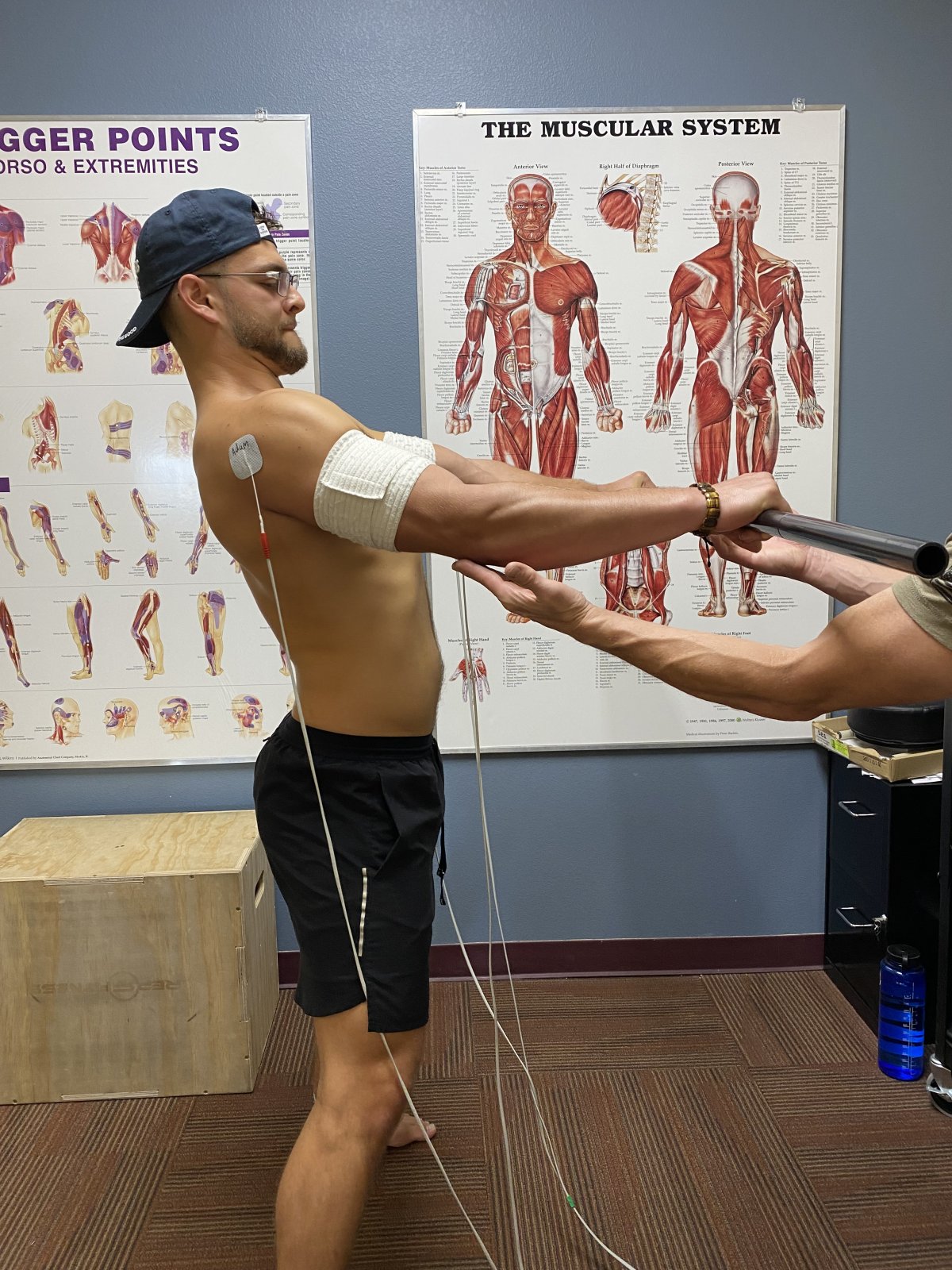
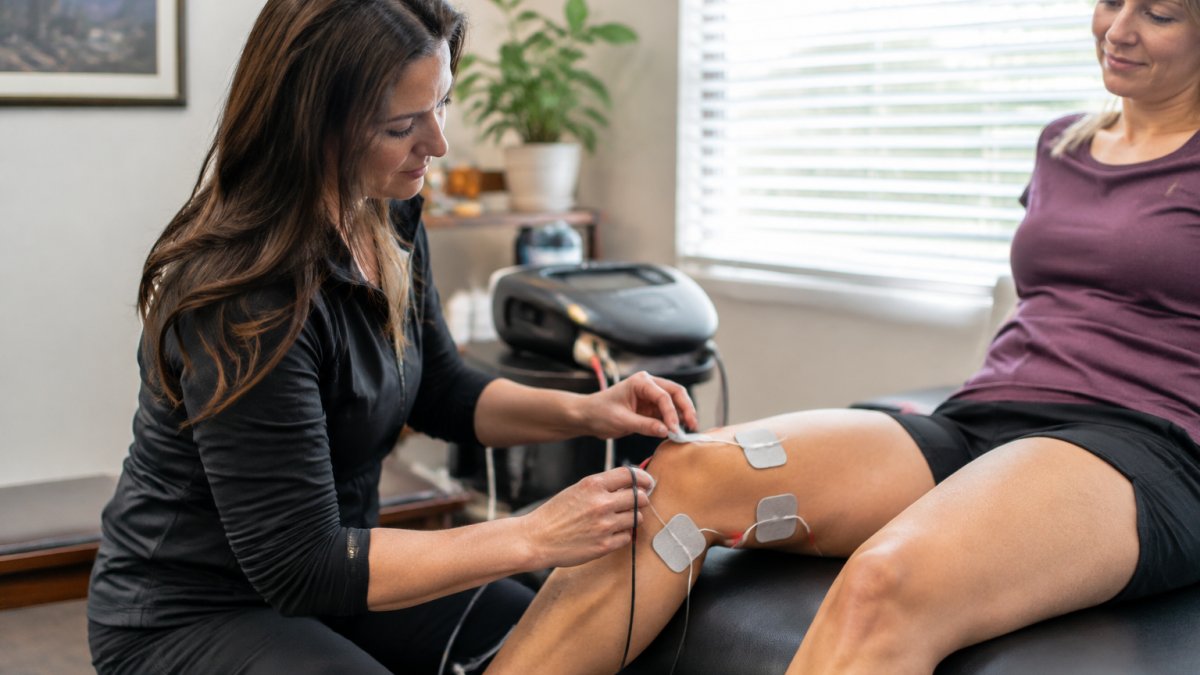
Electrode pads placed on the skin deliver electrical stimulation, which is combined with guided movement during treatment.
How the Device Works During Treatment
A pilot study of ARP Wave electromyostimulation looked at this approach in adolescent knee pain, and a separate 2019 study on post-ACL reconstruction rehabilitation examined whether adding the ARP trainer to rehab affected thigh circumference. Both are small studies, so treat results as encouraging rather than settled.
Your Pre-Session Checklist for an ARPwave Session
Use this checklist the day before and the morning of your visit to prepare for your appointment.
The day before
- Confirm your appointment time, location, and whether the provider needs any paperwork in advance
- Read any intake forms and note your medication list, including pain relievers, blood thinners, and supplements
- Write down your top two treatment goals in one sentence each, for example, "walk 30 minutes without knee pain" or "return to overhead pressing"
- Gather any imaging, referral notes, or prior treatment records you already have
- Skip alcohol in the 24 hours before treatment
- Plan a calm rest of day after the session, not a hard workout
The morning of
- Eat a light meal one to two hours before your appointment
- Drink water through the morning and bring a bottle with you
- Wear loose gym-style clothing that allows access to the treatment area
- Leave jewelry and metal accessories at home, especially near the area being treated
- Arrive 10 to 15 minutes early to complete any remaining paperwork and settle in
- Bring a small towel and a hair tie if you have long hair near the electrode site
Planning a calm rest of day after treatment can help you judge how your body responds.
Here is the day-before and morning-of checklist in one scannable view.
When | Step | Detail |
|---|---|---|
Day before | Confirm appointment | Time, location, and any advance paperwork |
Day before | Note medications | Pain relievers, blood thinners, and supplements |
Day before | Write goals | Top two treatment goals, one sentence each |
Day before | Skip alcohol | No alcohol in the 24 hours before |
Morning of | Eat light meal | One to two hours before appointment |
Morning of | Drink water | Through the morning, bring a bottle |
Morning of | Wear loose clothing | Gym-style, allows access to treatment area |
Morning of | Arrive early | 10 to 15 minutes early for paperwork |
What to Wear and What to Bring
Comfortable gym-style clothing is the right choice. Shorts and a t-shirt work well for knee, hip, or shoulder work. Avoid tight jeans, dresses, or anything that makes it hard to expose the treatment area.
Bring these items:
- A water bottle
- A small towel
- Your medication list
- Any prior imaging or referral paperwork
- A hair tie if you have long hair near the electrode site
Leave jewelry at home, especially metal pieces near the area being treated. Loose clothing also helps if your therapist needs to move electrode pads during the session.
Food, Hydration, Caffeine, and Medication Guidance
Most providers give only vague advice here, so this section separates general guidance from instructions that should come from your own clinician. Use the general guidance as a default and override it with anything your provider or prescriber tells you.
Food
Eat a light meal one to two hours before your ARPwave session. Going in hungry can leave you lightheaded, and going in overly full can make lying on a table uncomfortable. A small meal with some protein and a little carbohydrate, a sandwich, yogurt and fruit, or eggs and toast, is a reasonable default. Avoid a large, heavy meal within two hours of treatment.
Hydration
Drink water through the day and bring a bottle with you. Mild dehydration can make electrical stimulation feel sharper than it needs to, and it can also make guided movements feel harder than they should. There is no need to overhydrate; steady intake is enough.
Caffeine
Caffeine is a personal call, but the practical default is to keep it moderate before treatment. If coffee makes you jittery or raises your heart rate, keep it light on session day. If you drink caffeine daily, skipping it entirely can cause a headache that distracts from the session, so consistency is usually better than a sudden change.
Medication
Take prescription medication as prescribed unless your doctor says otherwise. Tell your therapist about blood thinners, pain relievers, and anything that affects sensation, because those can change how electrical stimulation feels and how safely it can be applied. Never stop or change a medication on your own before a session. Ask the prescriber first.
What to disclose
Beyond medications, tell your therapist about implanted devices, pregnancy, recent surgery, skin issues near the treatment area, and any history of blood clots or cancer treatment in the affected area. These are the details that determine whether a session can proceed safely or should be postponed.
Watch out: assuming a supplement is irrelevant because it is over the counter. Some supplements affect bleeding or sensation, and your therapist needs the full picture to set intensity and electrode placement safely.
When to Postpone: Contraindications and Precautions
Some situations call for rescheduling. Tell your provider before booking if any of these apply:
- A pacemaker or implanted electronic device
- Pregnancy
- Open wounds, rashes, or broken skin near the treatment area
- Active infection or fever
- Recent surgery without clearance from your surgeon
- Blood clots or a history of them
- Cancer treatment in the affected area
Electrical stimulation is not right for everyone, and a responsible provider will screen you first. If you have lower back pain from heavy lifting, our article on how ARPWave therapy treats lower back pain from deadlift training walks through how the approach is applied.
Watch out: skipping the screening conversation to save time is the most common mistake we see. It can turn a helpful session into a setback.
What to Tell Your Therapist Before Treatment Begins
Your first five minutes with the therapist shape the whole session. Be direct about what hurts, when it hurts, and what makes it worse.
Cover these points:
- Where the pain or weakness sits, and how long it has been there
- What movements trigger it
- Your treatment goals, in your own words
- Medications and supplements
- Past injuries and surgeries
- How you slept and how you feel today
Small details help. A client who mentions a bad night's sleep gets a gentler session than one who stays quiet. Communication is part of the treatment, not an interruption of it.
Your First ARPwave Session: What to Expect and How to Communicate
Then treatment begins. You will feel a tingling or pulsing sensation, and the therapist adjusts intensity as you go.
Speak up during treatment. If the current feels too strong, say so. If a movement hurts in a sharp way, stop and tell your therapist. Discomfort during muscle work is common; sharp pain is not something to push through.
Individual response to treatment varies. If you want to pair treatment with other recovery work, read about combining massage therapy with ARPWave.
Scheduling Your ARPwave Session at Total Body Works Personal Training
Booking is the easy part. Call us to discuss what you want to work on.
We offer ARPwave therapy alongside private personal training, couples training, HBOT therapy, and massage in a distraction-free setting. If you are still deciding which provider to use, our guide on finding certified ARPwave providers covers what to check.
Ready to book? Call us to schedule your ARPwave session and we will confirm your first appointment.
If pain or weakness has been limiting your training or daily movement, a proper assessment is the right first step. Total Body Works Personal Training offers one-on-one ARPwave therapy, private personal training, couples training, and HBOT therapy in a calm, private setting. Call 7194140482 to get started with Total Body Works Personal Training and build a recovery plan that fits your goals.
Frequently Asked Questions
What should I wear to an ARPwave session?
Wear comfortable, gym-style clothing that lets your therapist reach the affected area. Shorts and a t-shirt work well for most knee, hip, or shoulder work. Loose clothing that lets you access the treatment area is the general recommendation. If you are unsure, ask when you book.
How long does an ARPwave session take?
Arrive early for your first appointment so paperwork and setup do not eat into treatment time. Ask when you book how long your session will take.
Can ARPwave therapy cause side effects?
Side effects can vary from person to person, and the research base on this approach is limited. Ask your provider about risks for your specific situation.
Do I need to do anything before ARPwave therapy?
Eat a light meal beforehand and drink water. Bring a list of medications and tell your provider about any implants, pacemakers, or open wounds near the treatment area. If you feel unwell or have a fever, reschedule.