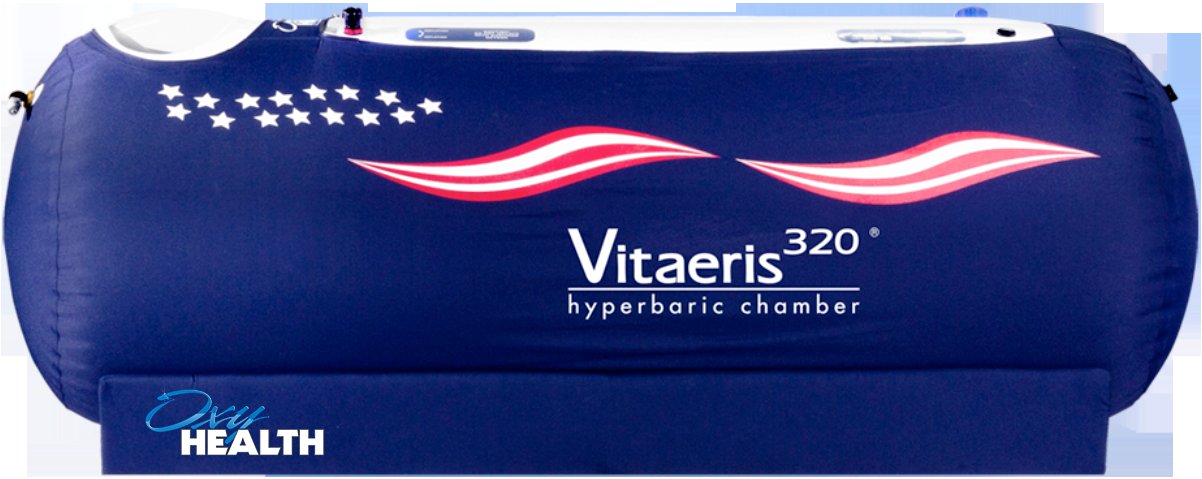
 how-to
Is HBOT Therapy Safe for Recovery? What to Know
Table of Contents
- Is HBOT Therapy Safe for Recovery? The Short Answer
- What to Expect During Hyperbaric Oxygen Therapy
- HBOT Side Effects: What You Might Feel and When to Stop
- HBOT Contraindications: Who Should Avoid Treatment
- How Often to Do Hyperbaric Oxygen Therapy
- Medical-Grade Chambers vs. Non-Medical Settings
- Questions to Ask a Provider Before Starting HBOT
- Conclusion: Making a Safe, Informed Decision
- Frequently Asked Questions
Last Updated: October 14, 2026
Is HBOT Therapy Safe for Recovery? The Short Answer
HBOT therapy is generally considered safe for recovery when it is delivered in a medical-grade chamber under clinical supervision. The main risks are manageable pressure-related side effects, not the oxygen itself.
Here is the key point most people miss: the danger is rarely the oxygen. It is the pressure, the setting, and whether anyone checked your history first.
Below, we break down what to expect, who should avoid treatment, and how to tell a safe setup from a risky one.
What to Expect During Hyperbaric Oxygen Therapy
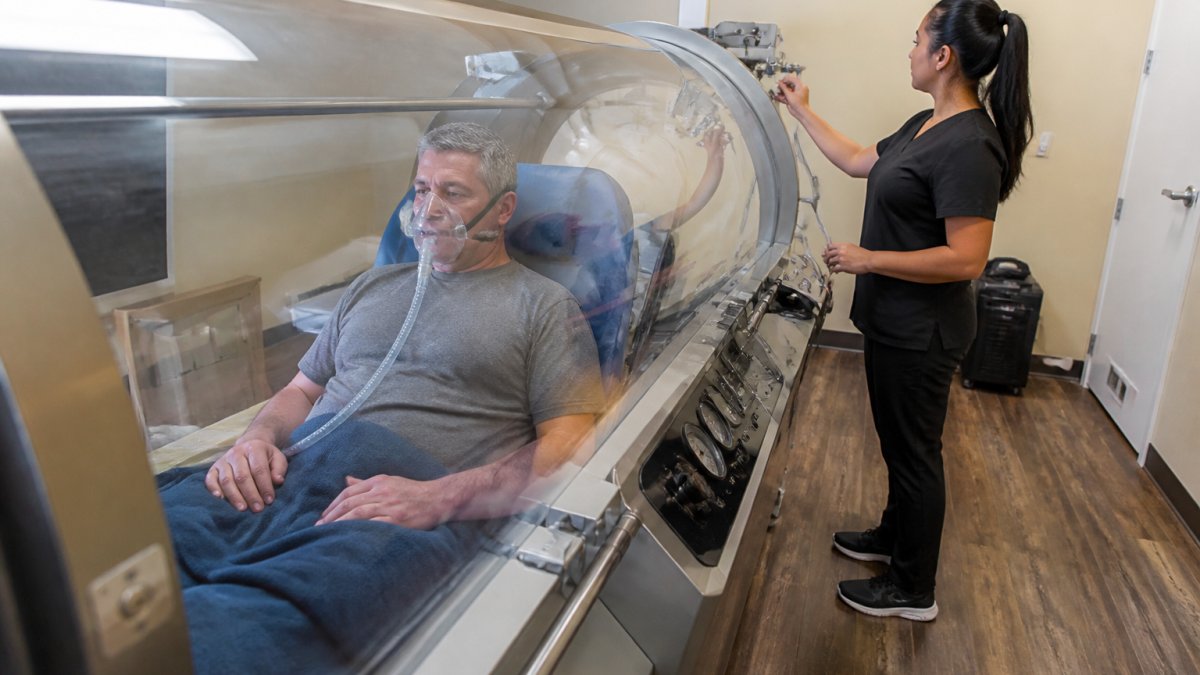
A hyperbaric oxygen therapy session involves breathing pressurized oxygen inside a sealed chamber while a trained technician monitors you. During treatment, increased pressure raises the amount of oxygen your blood carries, which supports oxygen delivery to tissues that are healing slowly. Sessions typically run 60 to 120 minutes, depending on the treatment protocol your provider sets.
Before Your Session: Screening and Preparation
Screening is where safety is actually decided. A responsible provider reviews your full medical history before you ever enter a chamber. Expect questions about:
- Ear and sinus problems, including past ear surgery
- Lung conditions, especially any history of collapsed lung
- Recent chemotherapy with certain drugs
- Pregnancy status
- Claustrophobia or anxiety in enclosed spaces
- Implanted medical devices
You will also be asked to remove items that could spark or heat up, including watches, phones, and synthetic clothing. Most sessions require loose cotton clothing and no jewelry.
Inside the Chamber and Aftercare
Inside the chamber, you may feel pressure in your ears as the pressure rises, similar to flying. Swallowing, yawning, or gently equalizing usually clears it. A technician stays in contact the whole time and can pause the session if you feel unwell.
Afterward, most people return to normal activity right away. Some feel tired for a short time. Your provider should give you clear aftercare instructions and a way to reach them if symptoms appear later.
HBOT Side Effects: What You Might Feel and When to Stop
Most HBOT side effects are mild and short-lived. The most common complaint is ear discomfort from pressure changes. Less common issues include temporary vision changes, sinus pressure, and mild fatigue. These usually resolve without treatment once the session ends.
Stop and tell your provider immediately if you notice:
- Sharp or lasting ear pain that equalizing does not relieve
- Chest pain, coughing, or shortness of breath
- Sudden vision changes that do not clear
- Numbness, tingling, or confusion
- Any feeling that something is wrong
HBOT Contraindications: Who Should Avoid Treatment
HBOT contraindications fall into two buckets: absolute (do not treat) and relative (treat only after a physician clears you). Understanding the difference matters because most safety failures in recovery settings come from relative contraindications that were never screened.
Absolute Contraindications
An untreated pneumothorax (collapsed lung) is the clearest absolute contraindication. Here is the mechanism: HBOT works by raising ambient pressure, and a trapped air pocket in the chest cavity will shrink or expand with pressure changes. That can turn a small collapse into a tension pneumothorax, which is a medical emergency. No responsible provider will put you in a chamber with an untreated collapsed lung.
Certain chemotherapy agents, particularly bleomycin, are treated as absolute or near-absolute contraindications because they sensitize lung tissue to oxygen toxicity. If you have received bleomycin at any point, disclose it. The same caution applies to some other pulmonary-toxic regimens, and your oncologist should be part of the decision.
Relative Contraindications and Screening Flags
These do not automatically exclude you, but they require a physician sign-off and often a modified protocol:
- History of ear surgery, chronic ear disease, or a perforated eardrum, pressure equalization may be impaired, raising the risk of middle-ear injury
- Upper respiratory infections, sinus congestion, or allergies flaring, blocked Eustachian tubes make equalizing difficult; most providers will reschedule
- Uncontrolled seizure disorders, oxygen toxicity lowers the seizure threshold, so a stable, well-managed seizure history is different from an uncontrolled one
- Implanted devices, pacemakers, cochlear implants, and some neurostimulators need device-specific review; many are compatible, but the manufacturer's guidance should be checked
- Severe claustrophobia or anxiety, not a medical risk, but a session that triggers a panic response can lead to rapid, unsafe pressure changes if you try to exit
- Pregnancy, not automatically excluded, but requires obstetric clearance and a physician's risk assessment
- Children and elderly patients, not excluded, but need closer medical review and often a caregiver present
What Real Pre-Treatment Screening Looks Like
A thorough risk assessment before your first session should include a full medical history, a physical exam focused on ears, sinuses, and lungs, a medication review (especially chemotherapy, insulin, and certain antibiotics), and a check for implanted devices. If a provider hands you a one-page form and waves you into a chamber, that is not screening, that is a liability waiver.
If you have any of the relative flags above, ask directly: "Who signs off on my treatment plan, and what changes because of my history?" A provider who cannot answer that is not set up to treat you safely.
How Often to Do Hyperbaric Oxygen Therapy
There is no single schedule that fits everyone. How often to do hyperbaric oxygen therapy depends on your condition, your provider's treatment protocol, and how your body responds. Some plans call for daily sessions over several weeks. Others space sessions further apart for maintenance or orthopedic recovery.
What matters is that the schedule is set by a qualified provider after an exam, not by a package deal or a general wellness pitch. Ask three questions before committing:
- How many sessions does my plan include?
- How will we measure whether it is working?
- What happens if I need to pause treatment?
Medical-Grade Chambers vs. Non-Medical Settings
The setting changes the risk profile more than most people realize, and this is the gap most articles skip. A medical-grade chamber is built, cleared, and operated for clinical use. A non-medical setting may use equipment that looks similar but lacks the oversight, oxygen delivery, and emergency response that make treatment safe.
The Mechanical Differences That Matter
Chamber type. Clinical chambers are typically either monoplace (one patient, clear acrylic tube) or multiplace (several patients, room-sized, with a tendant inside). Both are engineered for controlled pressure profiles and have redundant safety systems.
Oxygen delivery. In a true medical-grade chamber, you breathe close to 100% oxygen through a hood, mask, or endotracheal tube, and the chamber atmosphere is controlled.
Pressure monitoring. Clinical chambers have calibrated gauges and alarms. Non-medical equipment may have minimal instrumentation, which means pressure changes happen without the same safeguards against barotrauma.
Emergency procedures. Medical-grade facilities have a physician available, a plan for decompression, and the ability to manage complications like oxygen toxicity seizures or pneumothorax. Ask what happens if you lose consciousness mid-session.
How to Verify a Provider Before You Book
- Ask whether the chamber is cleared by the FDA for the condition you are being treated for, and ask to see the clearance
- Ask who supervises treatment, a physician, a nurse practitioner, or only technicians
- Ask what screening is done before the first session and who reviews it
- Ask what the emergency plan is and whether staff are trained to execute it
- Ask how outcomes are tracked and how the protocol is adjusted if you are not improving
Factor | Medical-Grade Chamber | Non-Medical Setting |
|---|---|---|
Supervision | Physician oversight plus trained technicians | Often staff-only, no clinical lead |
Equipment | Chamber built and cleared for clinical use | Varies widely, often unverified |
Oxygen delivery | Near-100% oxygen, controlled atmosphere | May be room air or less precise delivery |
Pressure monitoring | Calibrated gauges, alarms, redundant systems | Minimal instrumentation |
Screening | Full medical history and risk assessment | May be minimal or self-reported |
Emergency response | On-site protocols and medical support | Limited or unclear |
Best for | Supervised recovery and medical treatment | Not recommended for recovery goals |
The Evidence Question
The FDA has cleared HBOT for a specific list of conditions, including certain wound-healing and radiation-injury indications. Many recovery claims, for example, general athletic recovery or wellness optimization, are not on that list. That does not automatically make them unsafe, but it does mean the evidence is weaker and the risk-benefit calculation is different. If a provider is selling an unapproved use, ask what research supports it and whether the protocol has been studied in a clinical trial.
If a provider cannot explain who supervises treatment, what happens in an emergency, and whether the use is FDA-cleared, that is your answer. Walk away.
Questions to Ask a Provider Before Starting HBOT
Ask these before you book, and expect clear answers:
- Who supervises the treatment, and what are their credentials?
- What screening do you run before the first session?
- How do you handle ear discomfort or barotrauma during a session?
- What is your emergency plan if something goes wrong?
- How do you track recovery outcomes and adjust the plan?
- Are you treating an approved use or a wellness claim?
The FDA information on hyperbaric oxygen therapy is a useful place to check which uses are cleared and which are not. For background on how oxygen supports wound healing and tissue repair, the National Library of Medicine research on hyperbaric oxygen is a solid starting point. If you are weighing HBOT for post-surgical recovery, ask your surgeon first, and review MedlinePlus guidance on oxygen therapy so you understand the basics before the conversation.
Conclusion: Making a Safe, Informed Decision
The real challenge with recovery therapies is separating evidence from marketing. HBOT therapy can be safe and useful when it is screened, supervised, and matched to a real medical need. It carries real risks when it is sold as a cure-all in a setting with no clinical oversight.
At Total Body Works Personal Training, we support recovery through HBOT therapy, ARPwave therapy, and distraction-free private personal training in the Colorado Springs and Monument area. Every plan starts with an assessment, not a package.
Call 7194140482 to talk through your recovery goals and find out whether HBOT fits your plan.
Frequently Asked Questions
Can hyperbaric chambers help with healing after surgery?
HBOT is used in some cases to support post-surgical recovery, particularly for wounds that heal slowly or involve tissue damage. The increased pressure delivers more oxygen to tissues, which may support the healing response. However, not every surgery benefits from HBOT, and it is not a replacement for standard post-operative care. Ask your surgeon whether HBOT fits your specific recovery plan before scheduling sessions.
What are the risks and side effects of hyperbaric oxygen therapy?
The most common HBOT side effects are ear discomfort, pressure changes in the sinuses, and temporary vision changes that usually resolve after treatment ends. More serious but rare risks include middle-ear injury, barotrauma, and, in very rare cases, oxygen toxicity. Because sessions take place under clinical supervision, trained professionals monitor you throughout and can adjust or stop treatment if problems arise.
Who should avoid hyperbaric oxygen therapy?
HBOT contraindications include untreated pneumothorax, certain lung conditions, and some implanted devices that are not cleared for pressure changes. People with a history of ear surgery, sinus problems, or claustrophobia may also need extra screening. Always share your full medical history, medications, and implants with the provider so they can assess your individual risk before you begin.
What should I ask a provider before starting HBOT for recovery?
Ask whether the chamber is medical-grade and who supervises sessions, how many treatments they recommend for your condition, and what side effects to watch for. Request details on how they screen for contraindications and how they track recovery outcomes. If a provider cannot answer these clearly or pushes a fixed package without an exam, look elsewhere for care.