 how-to
How to Start Training With Injury: A Safe Guide
Table of Contents
- Get Medical Clearance Before You Begin
- How to Modify Workouts With an Injury
- Low-Impact Exercises for Injury Recovery
- When to Stop Exercising With Pain
- Gradual Return to Training After Injury
- Why Professional Guidance Matters for How to Start Training With Injury
- Frequently Asked Questions
Last Updated: October 11, 2026
Get Medical Clearance Before You Begin
Before you start training with injury, the first step is always consulting a qualified healthcare professional.
This clearance isn't optional. Training on an undiagnosed or severely aggravated injury can delay recovery by weeks or months. A professional evaluation takes the guesswork out of the process and gives you a personalized roadmap.
At Total Body Works Personal Training, we work closely with clients who have medical clearance. We review any treatment or rehabilitation plans from your healthcare provider and build workouts around those guidelines.
How to Modify Workouts With an Injury
Once you have clearance to train, the key is modifying exercises intelligently. You're not stopping all activity; you're adapting it to protect the injured area while keeping the rest of your body moving. Effective modification uses three levers, range of motion, load, and exercise selection, applied strategically based on your injury type and current tolerance.
Adjust range of motion and load
The easiest modification is reducing how far you move a joint. Full range of motion might aggravate your injury, but partial range often works fine.
Load adjustment means using lighter weight or less resistance. Start with bodyweight or very light weight. As tolerance improves, gradually add more load over weeks. This gives tissues time to adapt without triggering pain.
Combine these two: reduce range and reduce load together for maximum safety. As one improves, you can increase the other.
Injury-specific modifications
Different injuries respond to different strategies. Here are common examples:
Shoulder injury (rotator cuff strain, impingement):
- Avoid: overhead pressing, wide-grip movements, internal rotation under load
- Modify: barbell bench press → machine chest press with limited range (60-80% of full range); overhead press → neutral-grip dumbbell press at shoulder height only; pull-ups → assisted pull-ups or lat pulldown with neutral grip
- Progression: Increase range by 10-15 degrees per week as pain-free range expands; add load only after range is restored
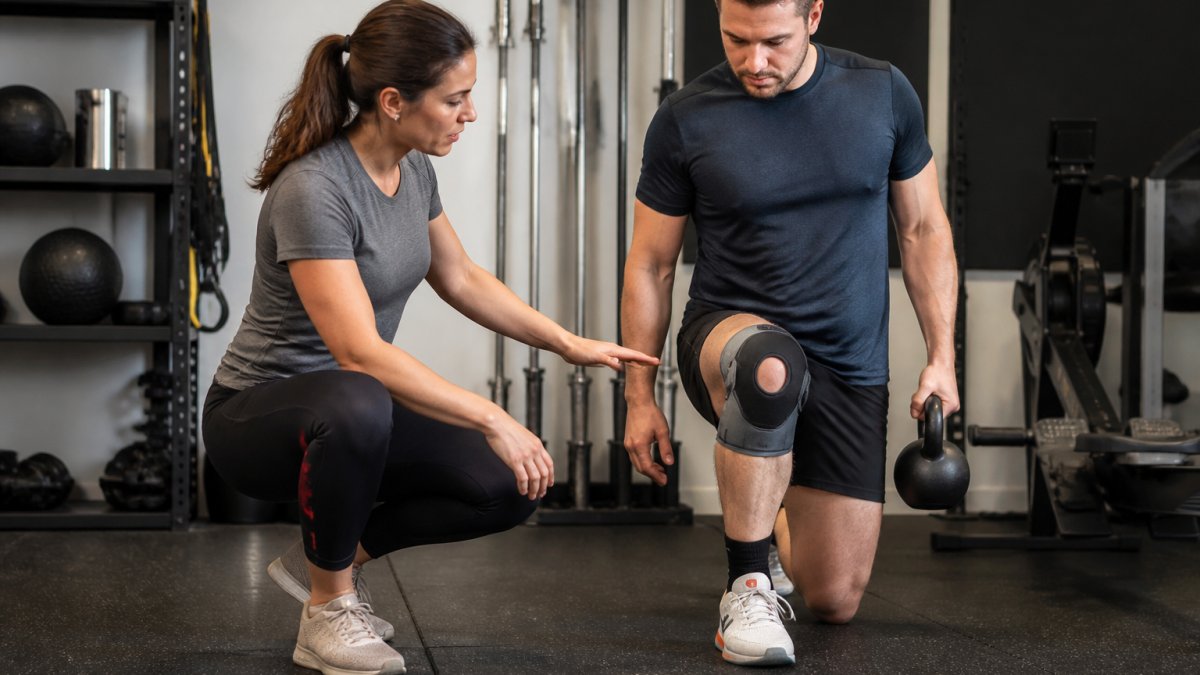
Knee injury (patellofemoral pain, meniscus strain):
- Avoid: deep squats, lunges with forward knee travel, explosive jumping
- Modify: barbell squat → quarter squat or leg press with 60-70% range; running → stationary cycling with seat height adjusted so knee bends 20-30 degrees at the bottom; jump rope → elliptical machine
- Progression: Increase squat depth by 10-15 degrees every 1-2 weeks; increase cycling resistance before duration
Lower back injury (strain, disc irritation):
- Avoid: deadlifts, heavy bent-over rows, spinal flexion under load, high-impact cardio
- Modify: deadlift → trap-bar deadlift with reduced range or supported leg press; bent-over row → chest-supported row or machine row; running → swimming or elliptical; crunches → bird-dog holds or dead bugs
- Progression: Increase range by 5-10 degrees per week; add load only after pain-free range is achieved; prioritize core stability before returning to heavy compound lifts
Elbow injury (tennis elbow, golfer's elbow):
- Avoid: heavy gripping, wrist flexion/extension under load, narrow-grip pressing
- Modify: barbell curl → resistance band curl with light tension; barbell bench press → dumbbell press with neutral grip; pull-ups → assisted pull-ups or lat pulldown; heavy rows → resistance band rows
- Progression: Increase band resistance before adding weight; keep wrist neutral and avoid end-range positions for 2-3 weeks before progressing
Choose alternative movements
If an exercise causes pain, replace it with a movement that works the same muscle group without stressing the injury. This keeps you training while protecting the damaged area. The goal is maintaining strength and cardiovascular fitness in uninjured areas. You'll lose less muscle and aerobic capacity this way, making your return to full training faster.
Low-Impact Exercises for Injury Recovery
Low-impact exercise keeps your heart rate up without jarring movements that stress injured joints. These movements are ideal during the early recovery phase when you need to stay active but protect healing tissue.
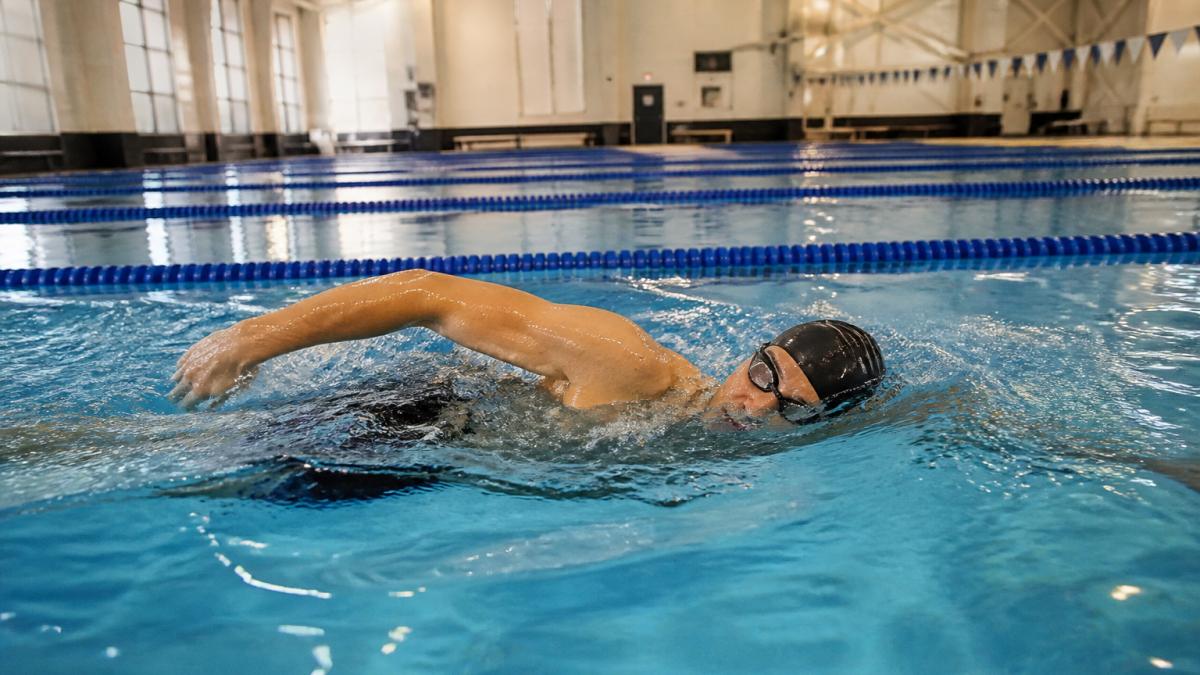
Swimming and water-based movement
Water supports your body weight, reducing stress on joints while allowing full range of motion. Swimming, water walking, and aquatic aerobics are excellent for maintaining cardiovascular fitness during recovery.
Start with gentle strokes and shorter distances. Focus on controlled movement rather than speed. Water's resistance naturally strengthens muscles without requiring weights. Many athletes find water training accelerates recovery while keeping them fit.
Cycling and elliptical training
Stationary cycling and elliptical machines allow continuous movement without impact. Both let you control intensity and range of motion precisely. Start with low resistance and shorter duration, 10 to 15 minutes, then build gradually.
Cycling is especially useful for lower body injuries because you can adjust seat height and pedal range to avoid painful positions. The elliptical works the full body with minimal joint stress, making it ideal for general fitness maintenance during recovery.
When to Stop Exercising With Pain
Pain is your body's feedback system during injury recovery. Learning to interpret it, and knowing when to stop, modify, or escalate, is critical for safe progress. A simple monitoring framework helps you make real-time decisions without guesswork.
Pain signals during exercise
During a session, use this three-tier system to decide whether to continue, modify, or stop:
Green light (continue): Mild muscular fatigue or dull soreness in the working muscle. You feel effort but no sharp sensation. This is normal during controlled training and typically fades within hours.
Yellow light (modify): Mild discomfort in or near the injured area that worsens as you continue the set, or sharp pain that eases when you stop. If discomfort persists after modification, stop the exercise and move to a different movement. (Source: research on the benefits of progressive overload)
Red light (stop): Sharp, stabbing, or shooting pain; sudden onset of pain unrelated to muscle fatigue; or pain that radiates beyond the injured area. Stop the exercise immediately. Rest, apply ice if appropriate, and do not resume that movement in this session.
Pain signals after exercise
How your injury responds in the hours after training tells you whether you progressed appropriately:
Normal response: Mild soreness or stiffness that peaks 24-48 hours after exercise and gradually subsides. This is delayed-onset muscle soreness (DOMS) and is expected during recovery.
Caution signal: Pain that increases during the day after exercise, or swelling and warmth around the injury that weren't present before training. This indicates you exceeded your current tolerance. At your next session, reduce intensity, load, or range of motion by 20-30%.
Alarm signal: Significant swelling, bruising, increased warmth, or pain that worsens over multiple days after exercise. These signs suggest tissue irritation or minor reinjury. Stop training the affected area, ice as appropriate, and contact your healthcare provider before resuming.
These are signs your injury requires urgent evaluation before any further training.
Building confidence in your pain signals
Early in recovery, distinguishing between safe discomfort and warning pain feels uncertain. Keep a simple log for the first 2-3 weeks: note the exercise, your pain level during (0-10 scale), and how you felt the next day. Over time, you'll recognize your body's patterns and make faster, more confident decisions in real time. At Total Body Works Personal Training, we teach this skill directly, our trainers help you calibrate your pain awareness so you can train independently with confidence.
Gradual Return to Training After Injury
Recovery happens in phases. Rushing through them increases reinjury risk. A structured progression gives tissues time to strengthen while rebuilding your fitness.
Phase 1: Rebuild base fitness
This phase focuses on gentle movement and maintaining aerobic capacity. You're not trying to build strength or speed, just staying active.
Duration: 1-3 weeks depending on injury severity.
Activities:
- Low-impact cardio: walking, swimming, cycling at easy intensity
- Gentle mobility work: stretching and range-of-motion exercises
- Isometric strength work: holding positions without movement
Train 3-4 days per week. Keep sessions short, 20 to 30 minutes. Intensity should feel easy; you should be able to hold a conversation.
Phase 2: Progress intensity gradually
Once base fitness returns, start adding moderate intensity and controlled strength work.
Duration: 2-4 weeks.
Activities:
- Increase cardio duration to 30-45 minutes
- Add resistance training with light weight and controlled range
- Introduce sport-specific movements at reduced intensity
Train 4-5 days per week. Include at least one full rest day. Intensity should feel moderate; you can talk but not sing.
Phase 3: Return to sport-specific training
This phase reintroduces the movements and intensity of your regular sport or training.
Duration: 2-6 weeks depending on your goals.
Activities:
- Full-range resistance training with progressive load
- Sport-specific drills at increasing intensity
- Higher-intensity intervals if appropriate
Train 5-6 days per week with adequate recovery. Work with a qualified trainer to ensure progression is safe and appropriate for your sport.
Phase | Duration | Frequency | Intensity | Focus |
|---|---|---|---|---|
Base Fitness | 1-3 weeks | 3-4 days/week | Easy | Gentle movement |
Progressive Intensity | 2-4 weeks | 4-5 days/week | Moderate | Controlled strength |
Sport-Specific | 2-6 weeks | 5-6 days/week | High | Full training |
Why Professional Guidance Matters for How to Start Training With Injury
A qualified trainer or physical therapist brings expertise that changes your recovery timeline. They assess your movement patterns, identify compensation injuries, and adjust your plan as you progress.
According to research on injury rehabilitation from the American Physical Therapy Association, supervised rehabilitation produces significantly better outcomes than self-directed exercise.
Total Body Works Personal Training specializes in working with clients recovering from injury. Whether you need ARPwave therapy, HBOT, or modified strength training, we coordinate your recovery around your specific injury and goals.
A trainer also catches movement errors that could slow healing or create new problems. They adjust intensity in real time based on how your body responds.
Returning to training after injury requires patience, professional guidance, and a structured plan. Total Body Works Personal Training helps athletes and active adults navigate this process safely. The CDC's guidelines on physical activity during recovery support supervised, progressive training as the gold standard for injury recovery.
Frequently Asked Questions
How do I know when to stop exercising if I have pain during training?
Stop immediately if you experience sharp pain, increased swelling, or pain that worsens after exercise. Mild discomfort during controlled movements may be acceptable, but sharp or shooting pain signals tissue stress. A qualified trainer or physical therapist can help you distinguish between safe discomfort and warning signs. Always monitor your body's response during and after workouts—if pain persists or intensifies hours later, reduce intensity or modify the movement at your next session.
What's the best way to modify exercises when you have an active injury?
Start by reducing range of motion, load, and intensity. For example, perform a partial squat instead of full depth, or use lighter weight with controlled movements. Choose alternative exercises that work similar muscle groups without stressing the injured area. Swimming or cycling can maintain cardiovascular fitness while avoiding impact on joints. A personalized rehabilitation plan from your physical therapist or trainer ensures modifications match your specific injury and recovery stage.
How long does it typically take to return to full training after an injury?
Recovery timelines vary widely depending on injury severity, type, and individual healing capacity. Minor soft tissue injuries may resolve in weeks, while more serious injuries take months. Gradual return to training typically progresses over 4-12 weeks, moving from low-impact movement to sport-specific training. Your doctor or physical therapist can provide a more accurate timeline based on your specific condition and recovery milestones.
Can I do strength training while recovering from an injury?
Yes, but with modifications. Focus on uninjured areas and use resistance training to maintain muscle and cardiovascular fitness. For example, if you have a lower-body injury, upper-body strength work continues normally. Work with a qualified trainer who understands your injury to design safe progressions. Resistance training should never increase pain or swelling in the injured area—adjust load, range, or exercise selection if it does.